Energy Update


Lapsiphedi 400/220 kV Substation Nears Completion; Strengthening Kathmandu's Grid
-
 Urja Khabar
- 2 August, 2026
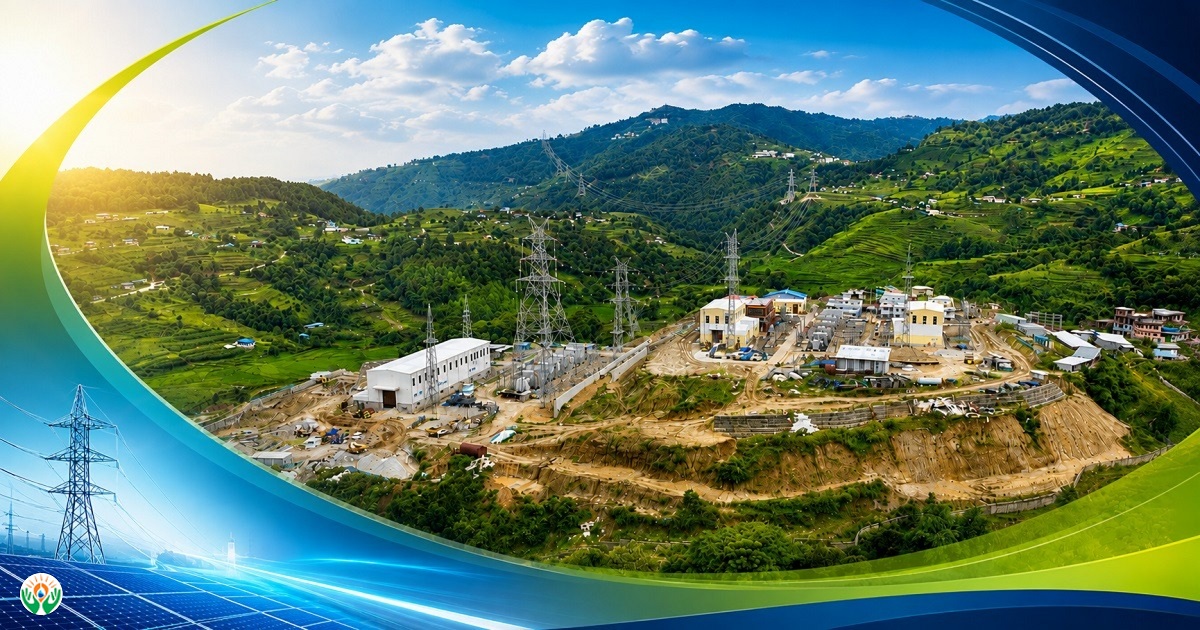
KATHMANDU; The construction of the 400/220 kV Lapsiphedi Substation, a strategic project aimed at making electricity supply to the Kathmandu Valley more reliable, high-capacity and sustainable, has entered its final phase, with around 90 percent of the work completed.
The substation is expected to be commissioned by the end of 2026, marking a major milestone in Nepal's transmission infrastructure.

Project Chief Prakash Poudel told Urja Khabar that all major electrical equipment required for the project has already arrived at the site, while installation, testing and commissioning works are currently underway.
"The project has now reached about 90 percent completion. All key equipment is on site, and the remaining installation and testing work is progressing rapidly. Our target is to energize the substation by the end of December," Poudel said.
According to him, a contract for the project was signed in December 2020, but construction could not begin for nearly two years due to local protests. Physical works gained momentum only after construction commenced in 2023.
The estimated cost of constructing the 400/220 kV substation is approximately Rs 2 billion.
Government of Nepal and ADB Financing
The substation is being built at Bozhini, Shankharapur Municipality-3, with financial support from the Government of Nepal and a concessional loan from the Asian Development Bank (ADB).
Besides the 400 kV facility, 220/132/11 kV substations are also under construction within the Lapsiphedi complex. Contract agreements worth Rs 916.8 million and US$74.21 million were signed for these substations with the Government of Nepal and the ADB, respectively.
Likewise, separate contracts worth Rs 1.01 billion and US$16.583 million were awarded for the construction of the 46-kilometre Bahrabise-Lapsiphedi 400 kV transmission line, which was completed last month.
Project Chief of the 220/132/11 kV substation, Nitis Poudel, said the remaining construction works are being accelerated with the goal of bringing the facility into operation by December.
"Although the Bahrabise-Lapsiphedi transmission line has already been completed, it cannot be energized until the Lapsiphedi substation is ready," he said.
Kathmandu's Largest Electricity Hub
Gas-insulated substations (GIS) of 400/220 kV, 220/132 kV and 132/11 kV capacities are being constructed to evacuate electricity generated by hydropower projects on the Tamakoshi, Sunkoshi, and their tributaries to the Kathmandu Valley.
According to Poudel 220/132/11 kV substation, the 11 kV system is being developed to distribute the electricity received at Lapsiphedi to the local distribution network.
Spread across approximately 172 ropanis, the Lapsiphedi substation is expected to become the largest electricity hub serving the Kathmandu Valley, according to the Nepal Electricity Authority.
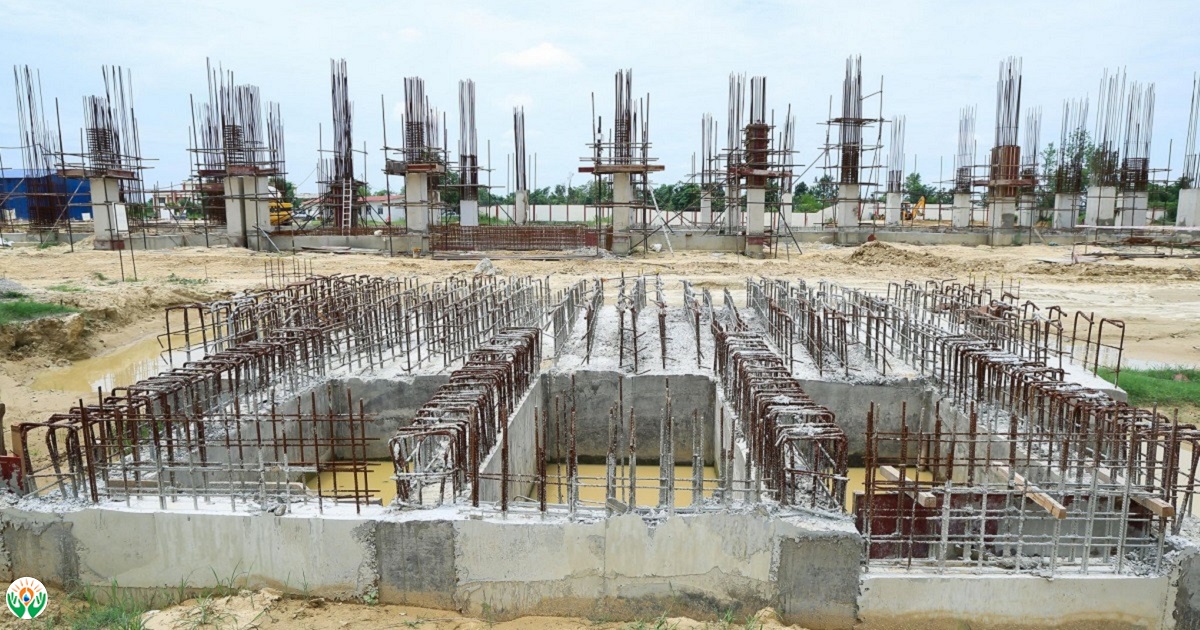
Construction of the control room, GIS buildings and other major structures under the Khimti-Bahrabise-Lapsiphedi 400/220 kV Substation Project has reached its final stage. All major equipment—including power transformers, GIS units, control panels and associated electrical systems—has already been delivered to the project site.
Main Connectivity in Nepal's 400 kV Transmission Network
The Lapsiphedi Substation will receive electricity through the 400 kV Khimti-Bahrabise transmission line, connecting the new Khimti Substation in Ramechhap to Kathmandu via Bahrabise in Sindhupalchowk.
In the future, the facility will also be integrated with the 400 kV national transmission line being developed under the Millennium Challenge Corporation (MCC) Nepal Compact, making it one of the country's most important transmission nodes.
Once interconnected, the Lapsiphedi-Ratmate-New Butwal 400 kV corridor will form the backbone of Nepal's high-capacity transmission system, significantly enhancing the reliability, stability and power transfer capability of the national grid while ensuring a more secure and sustainable electricity supply for the Kathmandu Valley.
Conversation


More News


- Nepal's First Energy Based News Portal
-
Energy Information Center Pvt. Ltd.
Hemant Marg-11, Babar Mahal, Kathmandu
- Info. Dept. Reg. No. : 254/073/74
- Telephone : +977-1-5321303
- Email : [email protected]