Energy Update


Electricity, Remittance Help Cut Nepal’s Extreme Poverty: World Bank
-
 Urja Khabar
- 3 November, 2026
Kathmandu: Increased access to electricity among others have helped reduce Nepal's extreme poverty rate in the past one decade.
According to a report entitled 'Nepal Poverty and Equity Brief: October 2026' issued by the World Bank (WB), Nepal has achieved remarkable poverty reduction over the past decade.

Based on the country’s updated national poverty line, the poverty headcount rate was 20.3 percent in 2022 (about 6 million people). Comparable numbers show a substantial improvement in the poverty rate from 25.2 percent in 2010 to 3.6 percent in 2022.
Extreme poverty, defined by the $3.00/day threshold, fell to 2.4 percent in 2022, while the $4.20/day poverty rate dropped to 9.1 percent and is projected to decline further to 6.4 percent by 2026. Similarly, the multidimensional poverty rate, which is measured by including access to education, health, and basic amenities, stands at 4.38 percent.
As per the WB's report, living standards have improved across multiple dimensions, reflected in greater access to electricity, shorter travel times to public hospitals, and expanded paved road networks.
According to the Economic Survey for Fiscal Year 2025/26, Nepal achieved significant progress in the energy sector during the period. The latest data shows that 99.1 percent of the country's population has access to electricity.
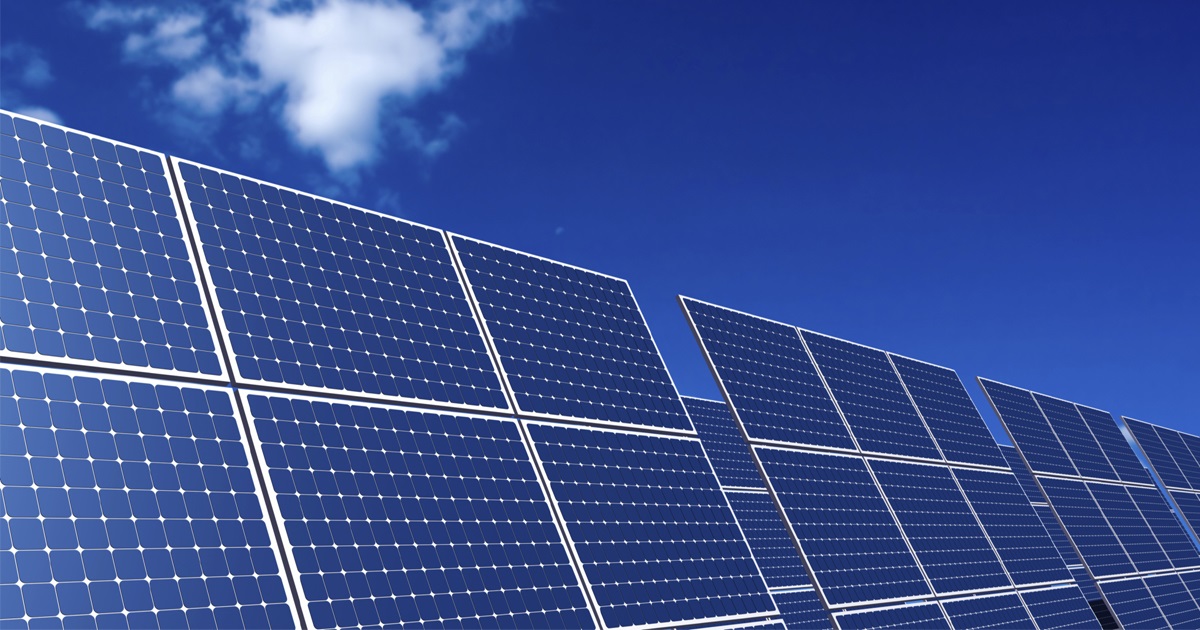
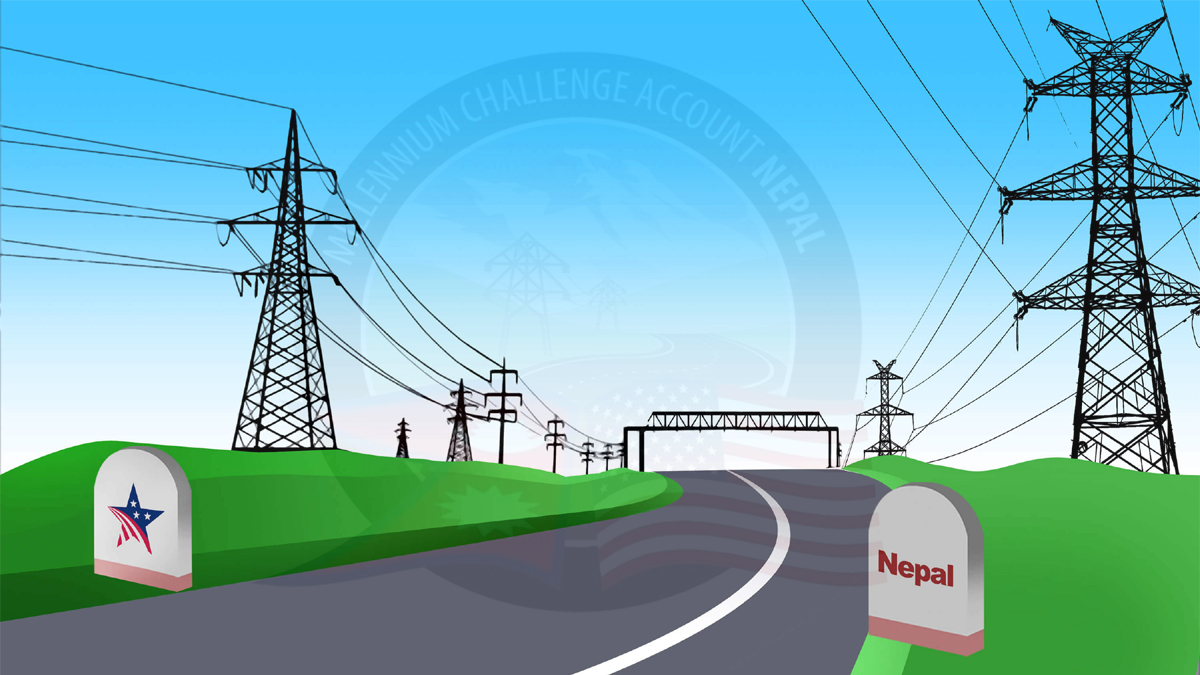
The government has given priority to expanding electricity generated from hydropower along with solar energy and other alternative energy sources in rural areas. This has helped extend electricity access even in remote and rural settlements, thereby taking down the number of people living under extreme poverty line.
Besides, the international lending institution has also recognized the significant contribution of remittances to poverty reduction in Nepal. The money sent by Nepalis working abroad has increased the consumption capacity of families, while expanding their ability to spend on food, education, health, and other basic needs.
Conversation


More News


- Nepal's First Energy Based News Portal
-
Energy Information Center Pvt. Ltd.
Hemant Marg-11, Babar Mahal, Kathmandu
- Info. Dept. Reg. No. : 254/073/74
- Telephone : +977-1-5321303
- Email : [email protected]