Energy Update


Nepal's Energy Independence: From Crisis to Resilience
-
 Subarna Subedi
- 19 November, 2026
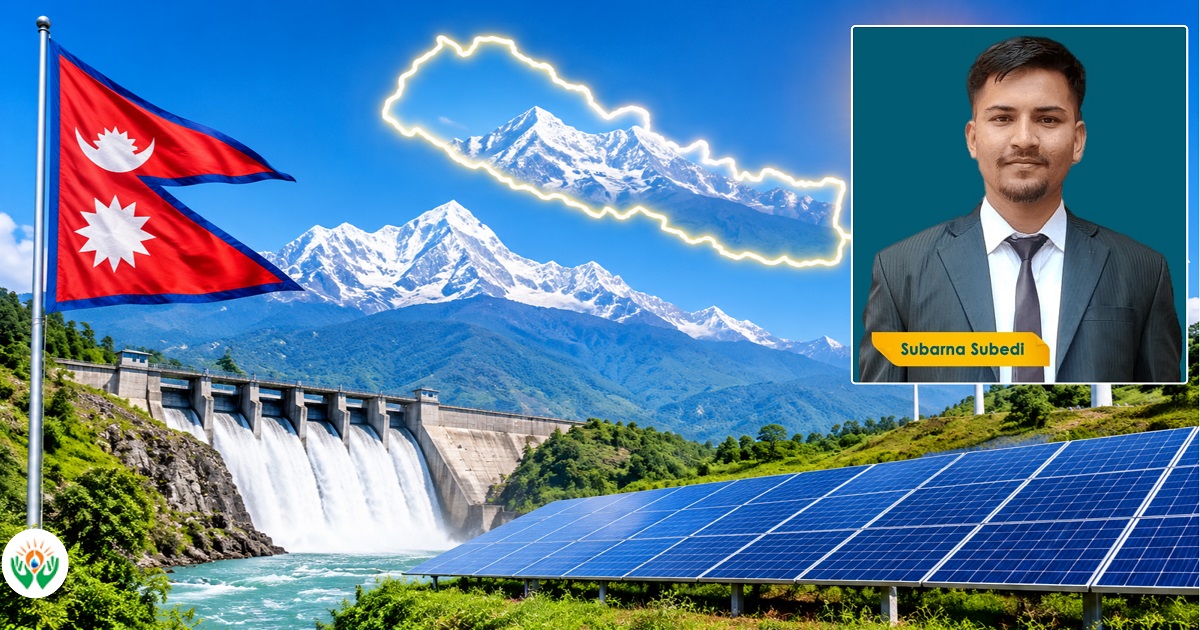
With growing geopolitical uncertainty, energy has become a key economic pillar as well as a powerful tool of political influence. Global conflicts over resources, shifting alliances, and disruptions in international supply chains due to war and sanctions have exposed the vulnerability of particularly those countries that rely heavily on imported energy. As a result, energy security and energy independence have emerged as top national priorities, especially for developing nations with limited bargaining power in global markets. A shortage of petroleum fuels and inadequate planning can quickly push such economies into severe economic downturns, a situation that has occurred in the past.
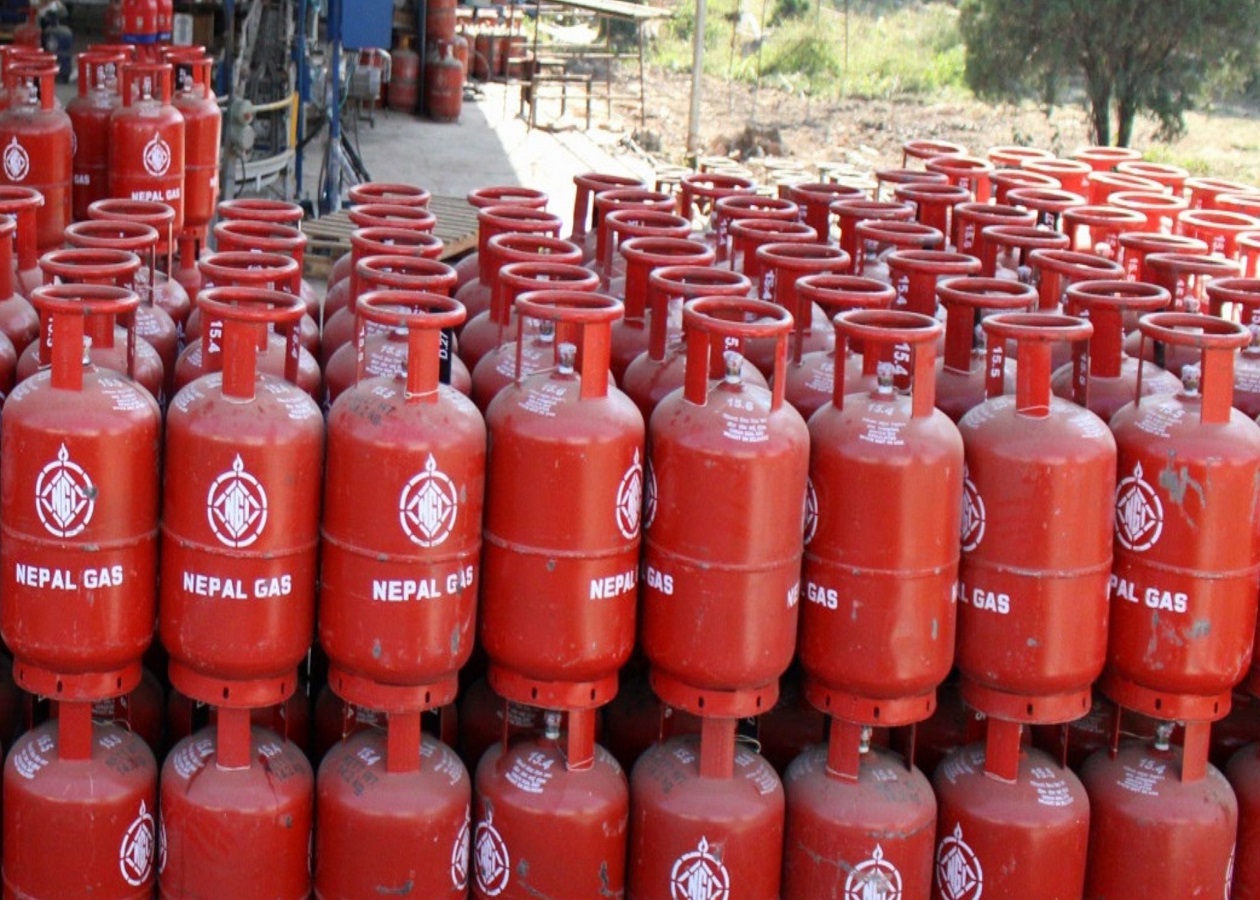
Nepal, a country with a nominal GDP of $45.6 billion, is prone to such challenges and in fact, faces such challenges often. The country continues to experience periodic shortages of petroleum products, particularly liquefied petroleum gas (LPG). According to Nepal's Energy Synopsis Report, more than 55 percent of households rely on imported LPG for cooking. Since Nepal purchases and imports all its petroleum products through India, any disruption in the supply chain in India immediately affects millions of households and industrial enterprises here in Nepal. Long queues for LPG cylinders and frequent supply shortages have become a common sight on the streets. This issue is deeply personal to me. During the unofficial border blockade of 2015 by India, Nepal experienced one of the worst energy crises in its history. I still remember going with my mother to purchase the firewood and waiting in line for three consecutive days for a single LPG cylinder. Like that time also, LPG shortages are receiving the most public attention these days, but disruptions affect all petroleum products, highlighting Nepal's dependence on imported fossil fuels. More than a decade later, we continue to face similar challenges. The question is no longer whether another crisis will occur, but why do we remain so vulnerable to such disruptions and shortages despite repeated lessons.

Governments are often blamed during such crises; however, the underlying problem extends beyond political leadership and national interest. Any country that depends almost entirely on imported fuel will always remain vulnerable to external shocks and the ability to deal with it is important. Such issues need to be addressed with both the short term and long-term plans and optimization in place. This transition will require both economic and policy reforms and behavioral change at ground level. Additionally, shifting households and industries away from petroleum-based fuels cannot happen overnight; it will be gradual shift. The first step will be to secure energy for now and then work on replacements. In the short term, better strategic reserves, diversified supply arrangements, and stronger logistics can reduce the impact of temporary disruptions in fossil fuels. However, in the long term, the sustainable solution will be to gradually reduce dependence on imported petroleum products by transitioning toward domestically available clean energy resources like hydroelectricity and biomass. Therefore, the government must immediately strengthen diplomatic engagement with fuel suppliers, expand storage infrastructure, improve supply chain management, and accelerate the promotion of renewable and clean fuels.
Fortunately, Nepal possesses one resource capable of transforming its energy future: hydropower. Blessed with fast-flowing rivers and enormous hydroelectric potential, the country has already installed approximately 4,000 MW (few are disrupted after current flow in Bhotekoshi and Trishuli) of generation capacity, around 60 percent higher than its current peak electricity demand of nearly 2,500 MW. As per the energy development roadmap, installed capacity is expected to reach around 15,000 MW by 2030. Even if only half of this target is achieved, Nepal will have sufficient electricity to significantly reduce its dependence on imported petroleum products through electrification of its domestic and industrial sectors.
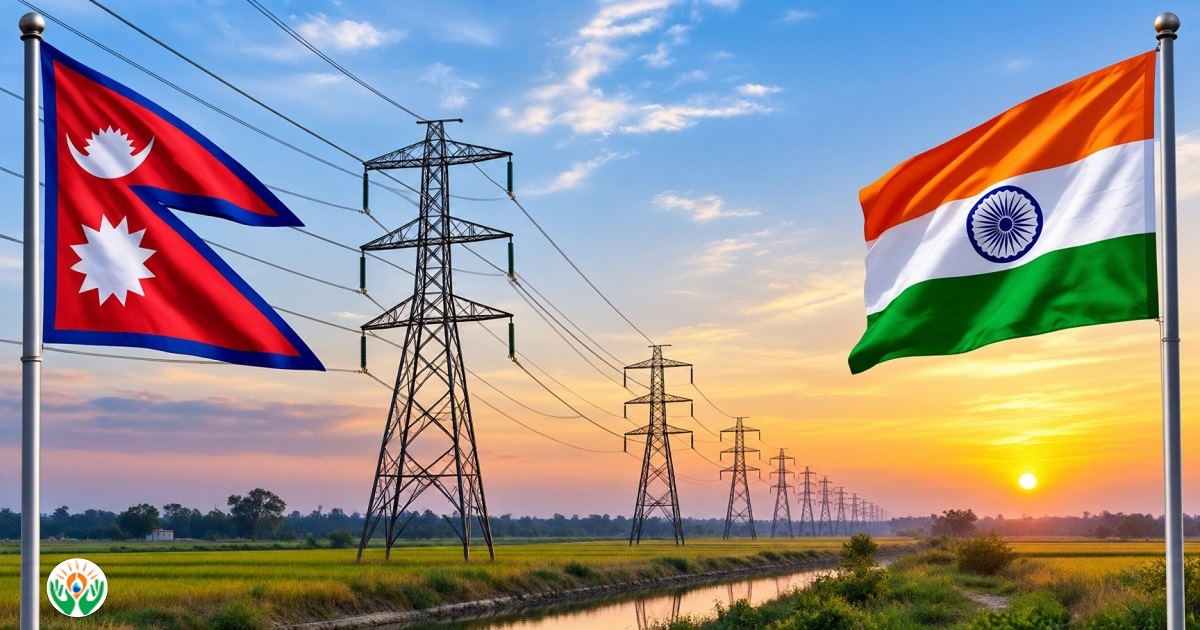
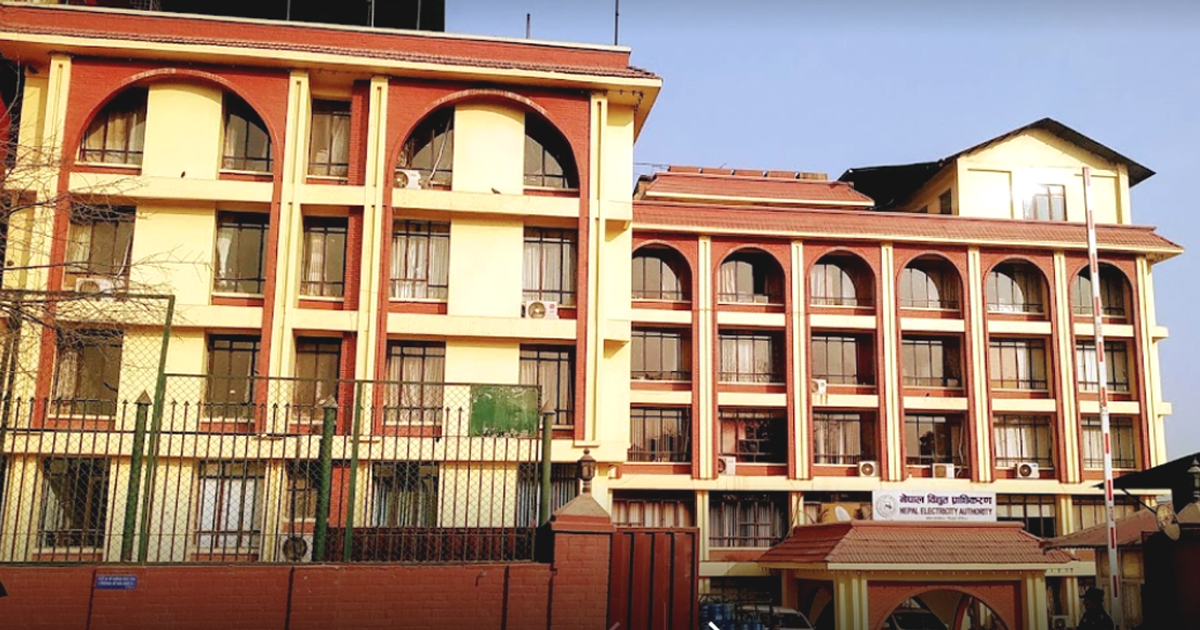
However, electricity generation and electrification will not be enough alone. One of Nepal's greatest challenges today is the lack of adequate transmission and distribution infrastructure to connect power generation with demand centers in the cities. This is not only Nepal’s problem though as grid expansion has become a bottleneck for clean energy transition globally. Over the past decade, Nepal understandably focused on ending power shortages by investing heavily in hydroelectricity generation with the significant investment from the private sector. Unfortunately, insufficient investment and slow implementation of projects on transmission infrastructure have now resulted in overloaded and constrained power grids.Addressing this challenge requires comprehensive power evacuation planning, implementation support and accelerated investment in transmission and distribution networks. Rather than relying solely on government funding or international assistance in terms of loans or grants, Nepal should actively explore public-private partnerships (PPPs) for grid expansion. The private sector can provide investment and technical expertise, while the government develops appropriate regulatory frameworks to ensure equitable risk and return sharing. The recently endorsed open access policy by government is a stepping stone but urgent implementation and further avenues need to be explored. Expanding electricity supply must be complemented by an increase in electricity demand in all the sectors of the economy. In recent years, Nepal has witnessed remarkable growth in electric vehicle adoption, particularly in the passenger car segment which is just behind Norway in second position globally. However, greater reform is needed to electrify public transportation and freight transport systems, where petroleum consumption remains dominant. A lacking well-integrated and coordinated public transport network would not only improve urban mobility but also can substantially reduce national petroleum demand. Similarly, expanding electric cooking in urban and peri-urban areas through targeted incentives, awareness campaigns, and supportive tariffs could significantly reduce LPG consumption.
Beyond hydropower, Nepal should better utilize its abundant biomass resources. Nearly half of the country's land area is covered by forests; yet these resources remain largely underutilized and left to decompose, which in many cases leads to wildfire. Ironically, inadequate forest management has contributed to increasing forest fire risks while Nepal continues to import furniture from the East Asia. While community forestry has successfully increased forest cover, greater attention must now be given to sustainable resource utilization and economic value creation from these underutilized resources.Nepal needs to revise its forest management policies to promote sustainable forest management and harvesting. Biomass pellets and briquettes are already produced domestically on a small scale and their contribution to the national energy mix remains negligible as producers are facing demand and supply challenges on both production and consumption side. Scaling up these renewable fuels could provide cleaner alternatives for enterprises and businesses and industrial thermal applications, where petroleum products still supply a substantial share of thermal energy demand. Forests should not be viewed solely as carbon sinks capable of generating climate finance. However, policymakers must also consider the economic opportunity cost of leaving valuable biomass resources underutilized while continuing to import expensive and geopolitically volatile fossil fuels--a heavy reliance that is hampers our energy security.
Renewable energy technologies and energy efficiency measures can further reduce Nepal's dependence on petroleum products. Declining costs of solar photovoltaic and battery energy storage systems, coupled with the strong economic returns from industrial energy efficiency improvements, have the potential to leverage private sector investment. In this area, the government's primary role is to strengthen market linkages, raise awareness, and create enabling policies that encourage investment by energy service companies and industrial enterprises for energy transition with renewable energy and energy efficient technologies. Green industrial transformation is necessary if we envision utilizing our green and clean electricity domestically, reducing our dependence on fossil fuels which account for the highest share in the energy mix in that particular sector.
Nepal's dependence on imported petroleum products is an undeniable reality that we seem to forget until a crisis knocks on our door.Nepal with its abundant hydropower potential and biomass resources, expanding renewable energy technologies, improving energy efficiency across sectors, and investing in modern electricity infrastructure,can gradually achieve greater energy independence and resilience with the private investment leverage. Though we are yet to hear from the government regarding its energy sector priorities, I remain hopeful that the current government will implement practical and achievable strategies that will secure Nepal's energy future while reducing its dependence on imported fossil fuels. Failure to act today will cause our situation to deteriorate further.
Mr. Subedi is currently pursuing a master's degree in Sustainable Energy and Processes at the Technical University of Munich (TUM), Germany.
Conversation

More News



- Nepal's First Energy Based News Portal
-
Energy Information Center Pvt. Ltd.
Hemant Marg-11, Babar Mahal, Kathmandu
- Info. Dept. Reg. No. : 254/073/74
- Telephone : +977-1-5321303
- Email : [email protected]