Energy Update


Govt prepares to cut electricity tariffs, forms panel to study pricing
-
 Urja Khabar
- 29 July, 2026
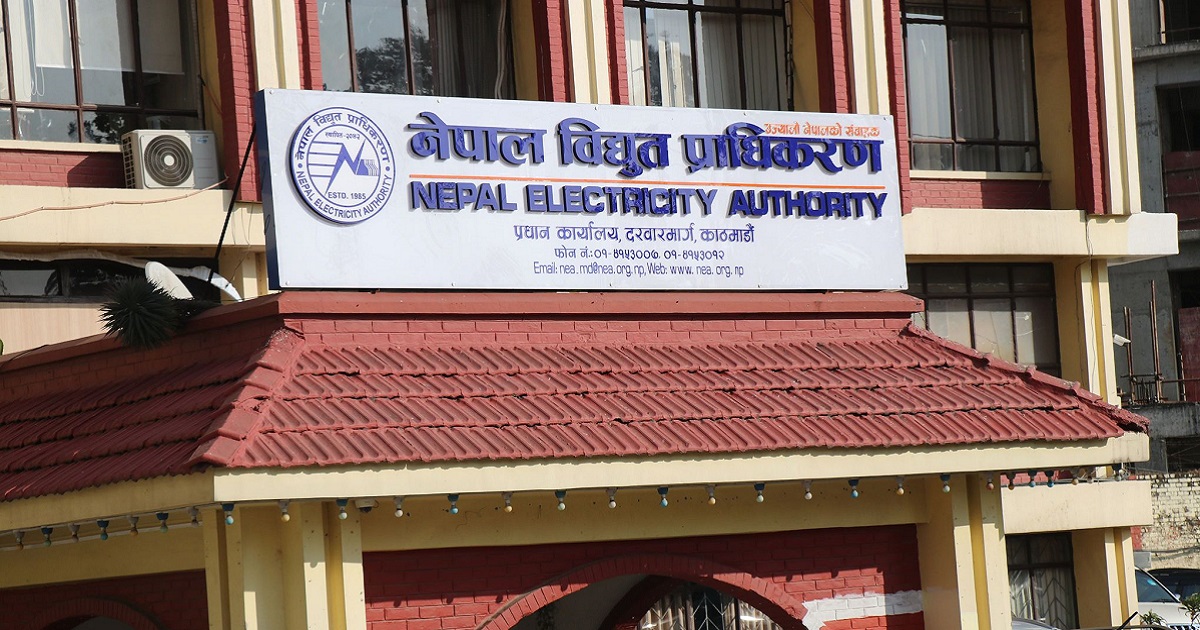
KATHMANDU; The government has formed a study committee to explore reducing electricity tariffs in a bid to boost domestic power consumption.
The move comes as private hydropower producers complain that around 1,000 MW of electricity is going to waste during the ongoing monsoon season due to low domestic demand. The government has faced criticism for keeping electricity tariffs high, which many argue discourages greater use of electricity.

According to the Ministry of Energy, Water Resources and Irrigation (MoEWRI), a meeting of the Nepal Electricity Authority (NEA) Board, chaired by Energy Minister Biraj Bhakta Shrestha on Wednesday, decided to form a seven-member committee to recommend measures for lowering electricity tariffs.
The committee will be led by NEA Board Member Anshu Kiran Shahi and will include one representative each from the MoEWRI and the Federation of Nepalese Chambers of Commerce and Industry (FNCCI). It will also comprise three experts representing the energy, consumer, and financial sectors. The Deputy Director of the NEA's Distribution and Consumer Services Directorate will serve as the member-secretary. The committee has been given 15 days to submit its recommendations.
Nepal's installed electricity generation capacity has reached around 5,300 MW, including approximately 4,300 MW from hydropower projects. However, the country's peak electricity demand is only about 2,200 MW. While nearly 1,000 MW is exported to India and Bangladesh, another 1,000 MW remains unused.
The surplus has largely been attributed to low domestic electricity consumption. Instead of reducing tariffs, the government introduced a five percent Value Added Tax (VAT) from the beginning of the current fiscal year on consumers using more than 50 units of electricity per month.
Under the Electricity Tariff Collection Regulations, 2021, the NEA charges different tariff rates across 13 consumer categories, including domestic, industrial, commercial, non-commercial, irrigation, drinking water, road lighting, religious and spiritual institutions, temporary connections, non-domestic users, entertainment businesses, community organizations, and wholesale consumers.
The last revision in electricity tariffs was made in July 2021, when the NEA raised rates by up to 19 percent overall.
Conversation


More News

- Nepal's First Energy Based News Portal
-
Energy Information Center Pvt. Ltd.
Hemant Marg-11, Babar Mahal, Kathmandu
- Info. Dept. Reg. No. : 254/073/74
- Telephone : +977-1-5321303
- Email : [email protected]