Energy Update


Nepal's Growth to Slow to 3.7 Percent After Rasuwa Flood: World Bank
-
 Urja Khabar
- 6 October, 2026
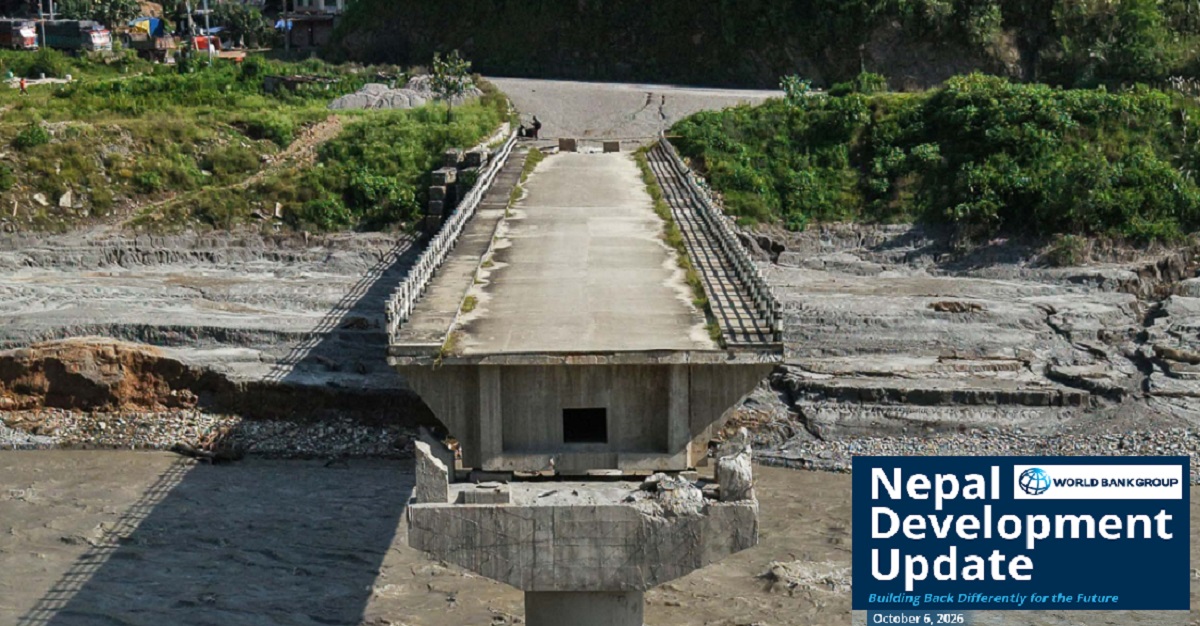
Kathmandu: Nepal’s economic growth is projected to slow to 3.7 percent in FY 2026/27 following major disruptions caused by the devastating August 26 Rasuwa flood, according to the World Bank (WB)’s latest Nepal Development Update.
The WB expects growth to recover to 5.2 percent in FY 2027/28 as reconstruction and rehabilitation activities boost economic activity.

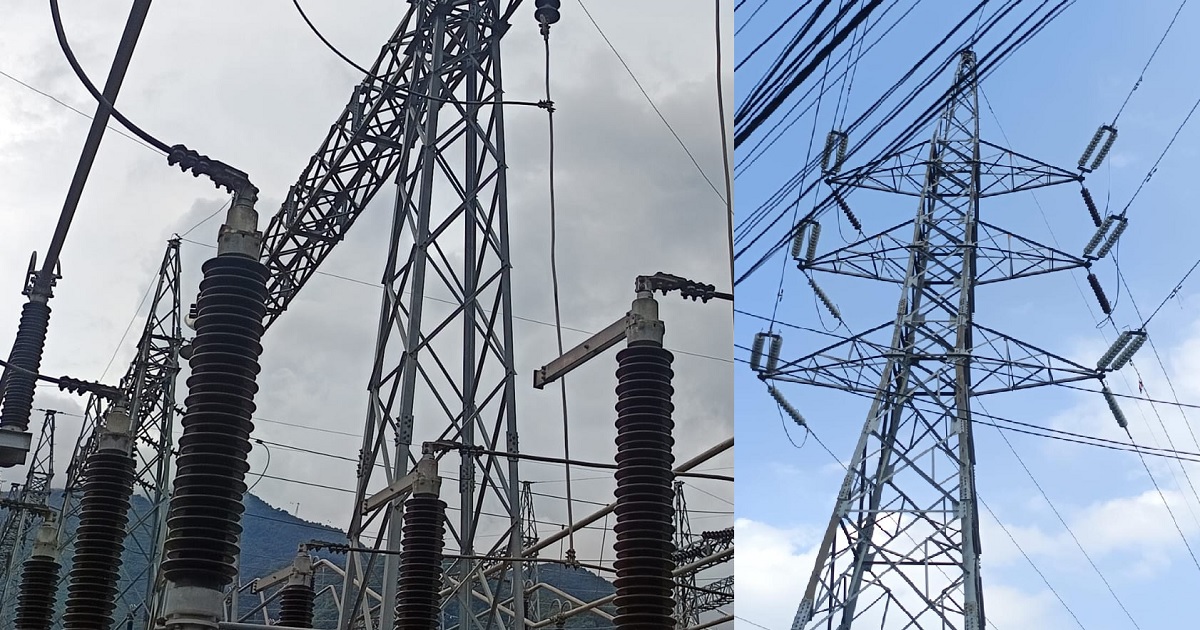
The industrial sector is expected to face the biggest impact due to extensive damage to hydropower, solar energy, electricity transmission and transport infrastructure. The damage is likely to constrain electricity generation, production and the movement of goods.
The services sector is also expected to suffer from disruptions to trade, transport, tourism and financial activities. While agricultural losses are expected to have a limited impact on overall economic output, they could significantly affect livelihoods in the affected areas.
The WB said the Rasuwa flood has caused severe human and economic losses, highlighting the need for Nepal to rethink infrastructure planning amid growing climate-related risks.
As Nepal shifts from relief to reconstruction, the report recommends incorporating multi-hazard risk assessments into infrastructure planning, improving the location and design of critical infrastructure, and strengthening redundancy in transport, energy and communication networks.
It also stressed the need to improve early warning systems and establish an Integrated Social Protection System to ensure rapid disaster assistance reaches vulnerable households.
“The WB stands ready to assist the authorities in investing in systems and implementing the right policies to help put Nepal on a more resilient and sustainable development path,” said David Sislen, World Bank Division Director for Maldives, Nepal, and Sri Lanka.
Conversation


More News


- Nepal's First Energy Based News Portal
-
Energy Information Center Pvt. Ltd.
Hemant Marg-11, Babar Mahal, Kathmandu
- Info. Dept. Reg. No. : 254/073/74
- Telephone : +977-1-5321303
- Email : [email protected]