Energy Update


Govt to provide subsidy up to 90 percent in renewable energy production for targeted groups
-
 Urja Khabar
- 20 February, 2022
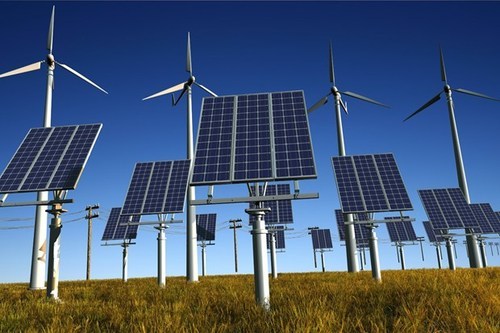
The government has announced to provide up to 90 percent subsidy on the production of renewable energy in the area that is deprived of connectivity to the national grid.
Enforcing a Renewable Energy Subsidy Policy 2022, the government has targeted to provide access to the targeted group, natural disaster suffered people and low energy using households. The Cabinet meeting held on Thursday endorsed the revised policy.

Through the reverse auction process, the federal government will assume up to 70 percent, sub-national government or related institutions bear up to 20 percent of the cost burden of subsidy while end-user will have to bear 10 percent cost in the targeted regions, reads the policy.
According to the new policy, local institutions involved in the production and distribution of electricity of up to 1,000 KW through micro and small hydropower projects will receive subsidies up to 90 percent of the total cost. The same proportion of subsidy will also be provided to the solar pumping systems used for drinking water projects based on solar energy run by the local consumer committee.
The solar mini-grid projects with a capacity of up to 100 KW developed either on public-private partnership or cooperative or community models will receive subsidies of up to 60 percent of the total cost. For biogas production, the government will provide a subsidy of up to Rs 45,500 per household in the Himalayan region. The subsidy amount in this category will be up to Rs 39,000 per household in the hilly region and Rs 28,800 per household in the Terai region.
Conversation


More News


.jpg)

- Nepal's First Energy Based News Portal
-
Energy Information Center Pvt. Ltd.
Hemant Marg-11, Babar Mahal, Kathmandu
- Info. Dept. Reg. No. : 254/073/74
- Telephone : +977-1-5321303
- Email : [email protected]