Energy Update



Green Hydrogen: Production, Uses, Advantages and Disadvantages
-
 Urja Khabar
- 21 November, 2025
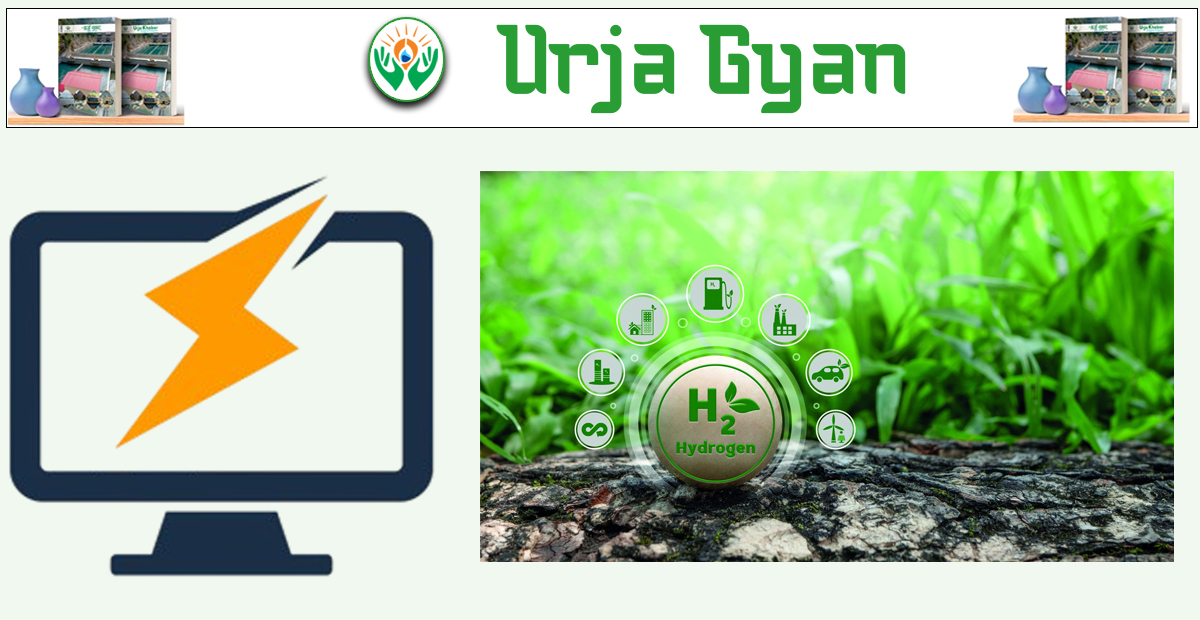
Kathmandu; Under the knowledge-enhancing weekly column “Urja Gyan” published every Friday by Urja Khabar, this week we present information about green hydrogen gas.
(1) What is Green Hydrogen?

Answer: Green hydrogen is a term referring to hydrogen gas produced using clean and renewable sources of energy. For example, it would involve electricity generated from hydro, solar, or wind power used for the production of hydrogen without carbon emissions. Green hydrogen is manufactured through a process called electrolysis, where water, H₂O, is split into hydrogen and oxygen.
(2) Merits of Green Hydrogen
Clean and Environment-Friendly: During production and use, no carbon emissions are produced. It serves to reduce air pollution and hence helps to mitigate climate change.
Renewable and Sustainable: As it uses renewable resources, such as hydropower, solar, and wind energies, it reduces the dependency on fossil fuels.
High Energy Density: Hydrogen has more energy per kilogram than petrol or batteries. It would, therefore, be more suited for heavy-duty applications and industries.
Easy storage and transportation: It can store surplus energy from solar and wind sources. It can be transported easily by means of pipelines or cylinders.
Diverse Applications: It has many potential applications in industries, transportation, power generation, and even cooking in the future.
(3) Disadvantages of Green Hydrogen
High Production Cost: The technology behind electrolysis is expensive. Green hydrogen is currently more expensive than hydrogen produced from fossil fuels.
Challenges in Storage and Safety : It is highly flammable. Moreover, hydrogen requires high-pressure tanks or very low temperatures to store it.
High Energy Requirement: The production process requires a large amount of electricity. If the renewable supply is low, the cost increases.
Lack of Infrastructure: Pipelines, refueling stations, storage systems are all part of the new infrastructure required; only a few exist worldwide at this time.
Technology still developing: Most technologies are at an early stage. Few technologies are being used commercially on a large scale.
(4) Applications of Green Hydrogen Industrial Sector: Steel production without coal, fertilizer production, and the manufacture of chemicals.
Transportation Sector: Heavy trucks, large buses, trains, ships, and future aircraft.
Energy/Power Sector: Storage for generating electricity using hydrogen turbines, storage of solar/wind power, and backup power plants.
Domestic and Commercial Use (Future): Hydrogen-blended cooking gas and heating systems for homes and businesses. Agriculture Sector: Production of green ammonia - fertilizer - and hydrogen-powered agricultural machinery in the future.
Conversation


More News






- Nepal's First Energy Based News Portal
-
Energy Information Center Pvt. Ltd.
Hemant Marg-11, Babar Mahal, Kathmandu
- Info. Dept. Reg. No. : 254/073/74
- Telephone : +977-1-5321303
- Email : [email protected]