 Urja Khabar
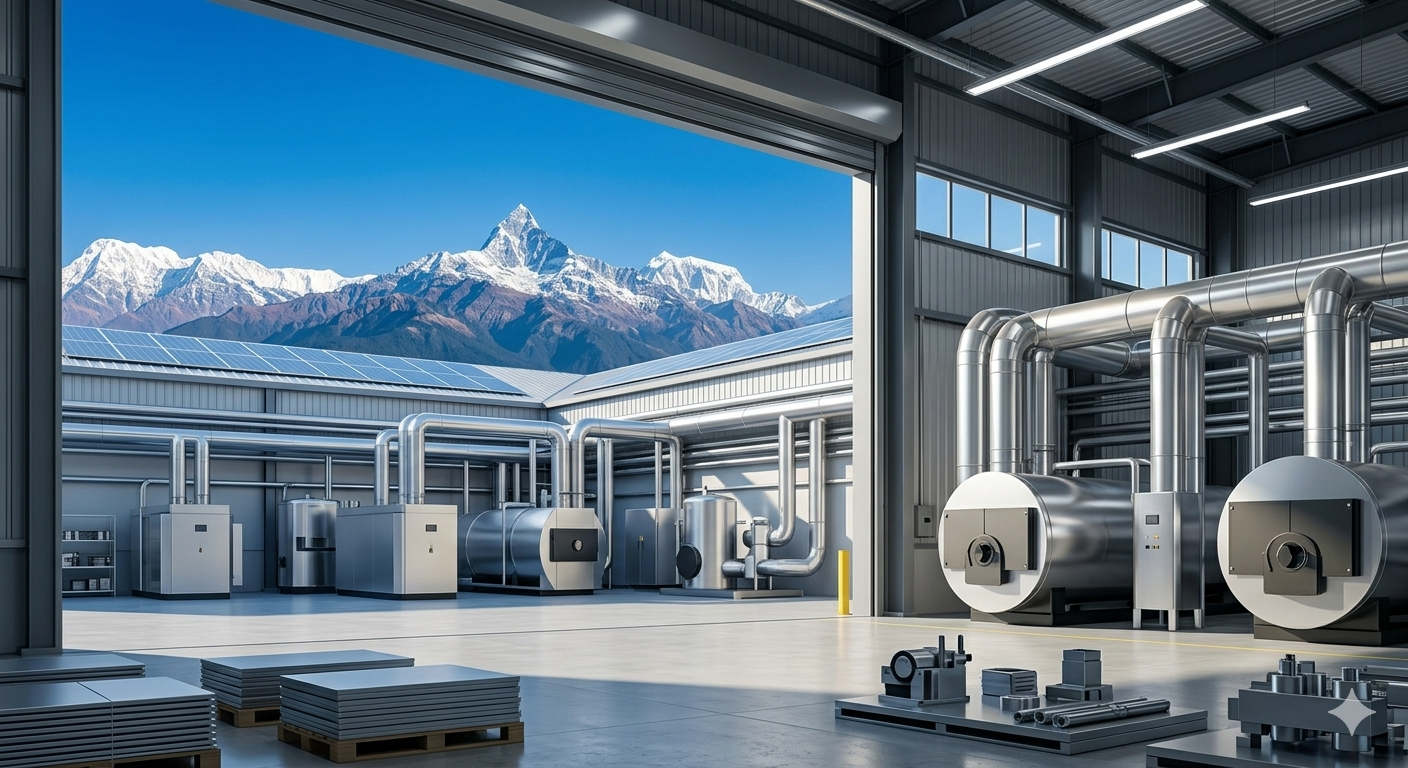
Kathmandu : In a significant move toward green industrialization, the World Bank’s Board of Executive Directors has approved a $52 million credit for the Nepal Clean Air and Prosperity Project. This initiative is designed to drastically reduce air pollution and strengthen national air quality management systems by transitioning industries from traditional fuel-based systems to cleaner, electric, and more efficient technologies.
The project specifically targets the reduction of fine particulate matter (PM2.5) emissions, focusing on the Kathmandu Valley, the Terai, and surrounding foothill regions where air pollution poses the most severe risks to public health and the environment.

David Sislen, World Bank Division Director for Maldives, Nepal, and Sri Lanka, emphasized that air pollution is not only a public health crisis but also a significant economic burden, costing Nepal more than six percent of its GDP each year through health costs and lost labor productivity. He noted that the project aims to protect millions of people from harmful pollution while helping Nepali enterprises adopt technologies that lower operating costs, improve competitiveness, and support sustainable industrial growth. As industrial emissions are projected to become the largest source of air pollution in the coming years, the project underscores the urgency of adopting cleaner production technologies.
Through a strategic combination of clean technology financing, capital incentives, and technical assistance, the project will support approximately 400 industrial and commercial enterprises in adopting electric boilers and furnaces, modern biomass systems, or advanced emission control technologies.
Martin Heger, World Bank Senior Environmental Economist for the South Asia Region, pointed out that while the adoption of clean technology has been limited in Nepal due to high upfront costs and constrained access to long-term financing, this project addresses those barriers by pairing long-tenor financing with hands-on technical support to facilitate a smooth transition for industries.
The project will be implemented by the Department of Industry under the Ministry of Industry, Commerce and Supplies, alongside the Department of Environment under the Ministry of Forests and Environment, with Rastriya Banijya Bank serving as the handling bank for the financing facility.
This World Bank credit is further complemented by a $5 million grant from the Resilient Asia Program, funded by the United Kingdom and Switzerland. This initiative forms a crucial part of the World Bank’s Regional Air Quality Management Program, targeting the Indo-Gangetic Plains and Himalayan Foothills, which remains one of the world's most critical air pollution hotspots.