Energy Update



Impact of Monsoon and Seasonal Flow on Electricity Generation
-
 Urja Khabar
- 28 November, 2025

Kathmandu; Under the informative weekly column "Urja Gyan" published every Friday by Urja Khabar, this week we are presenting insights on how the monsoon and seasonal river flow affect hydropower generation. In the previous edition of the same column, we had discussed "Production, Advantages and Disadvantages of Green Hydrogen."
How do monsoon and seasonal river flows affect electricity generation?

Answer:
Monsoon and the seasonal flow in rivers and streams have positive as well as negative effects on the generation of hydropower. These are elucidated point-wise as follows:
1. Positive Impacts
Increase in Water Availability
Monsoon rainfall increases the water level in rivers. More availability of water increases the generation capacity and plant load factor in hydropower.
Maximum Electricity Production
Hydropower plants run on full capacity during the monsoon months starting from June to October. The country generates maximum amount of electricity during this period.
Reduced Dependence on Expensive Energy Sources
With increased hydropower generation, reliance on more expensive energy alternatives decreases-diesel generators and thermal backup systems, for instance.
Reservoir Refill
Reservoir and semi-reservoir projects benefit most from the monsoon. Fully filled reservoirs can supply stored water during the dry season.
Improved Grid Stability
Higher production enhances operational flexibility. It stabilizes frequency, provides reserve margins, and allows the system to respond better to peak demand.
2. Negative Impacts
Floods and Excessive Flow
Sudden increases in river flow during monsoon cause various issues such as damage to hydropower structures and flooding in powerhouse areas.
Forced Shutdowns of Turbines
Many run-of-river hydropower plants have to be shut down during the monsoon due to excessive sediment load (siltation) and a high flood risk.
High sediment and debris flow
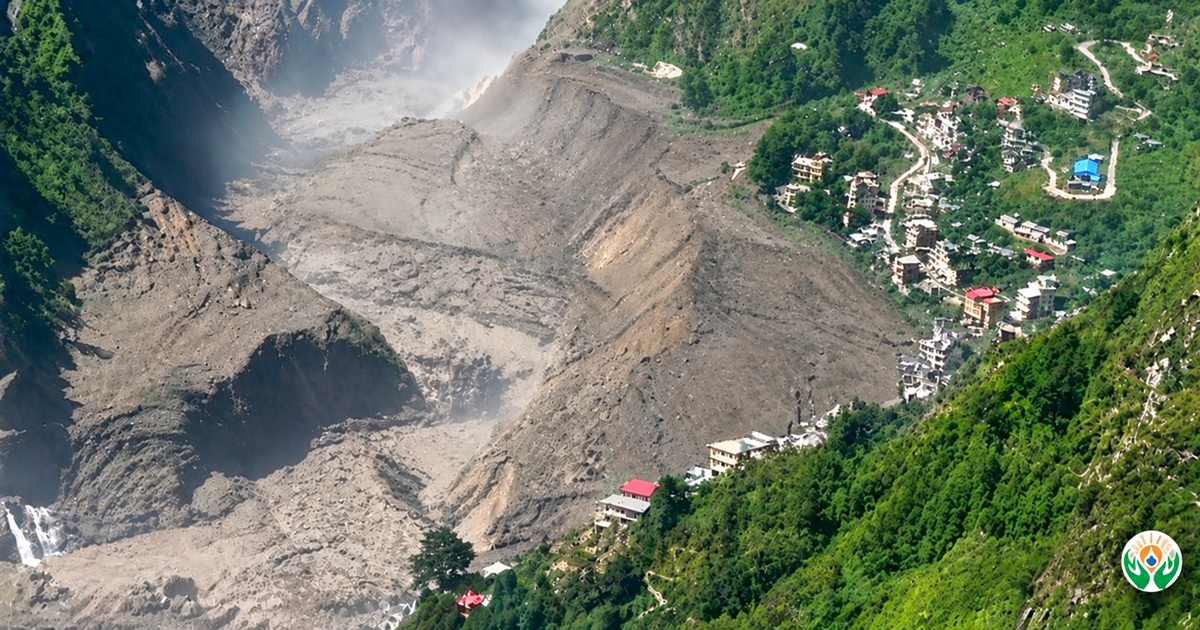
Heavy rain produces landslides along riverbanks, adding a large amount of soil, sand, and debris to the river. It causes:
- erosion of turbine blades - runners
- greater maintenance needs
- frequent shutdowns
- higher operational costs
- Uncertainty in River Flow
Flash floods, landslides, and large boulders entering the river add more risks. Similarly, river flow patterns vary during agricultural irrigation in the monsoon.
Transmission and Distribution Problems
Line faults, tower collapses, outages, and grid instability occur due to heavy rain, lightning, windstorms, and storms.
Safety Risks
High flows in rivers create safety risks for dams, intakes, and workers around the structure. Risks of drowning, hazards during gate operation, and other accidents also increase.
3. Seasonal Impacts (Dry Season)
Decrease in River Flow
The river flow drastically shrinks during winter and pre-monsoon months from December to June. Many run-of-river plants function merely at 20–30% of their capacity.
Pressure of Load Shedding
This causes imbalance in supply and demand, hence import of electricity, load management, and possible cuts for the industrial consumers in the dry season. Rising Cost of Supply Low river flow reduces hydropower generation, thus reducing revenue for the generating companies and increasing costs. Consequently, Nepal Electricity Authority will have to import expensive electricity or resort to using backup systems. Slow Reservoir Refill Prolonged drought delays refilling of reservoirs. Long-term effects are on multi-year reservoir projects and irrigation schedules.
Conversation


More News







- Nepal's First Energy Based News Portal
-
Energy Information Center Pvt. Ltd.
Hemant Marg-11, Babar Mahal, Kathmandu
- Info. Dept. Reg. No. : 254/073/74
- Telephone : +977-1-5321303
- Email : [email protected]