Energy Update



LPG Crisis Deepens Despite NOC's No-Shortage Claim
-
 Urja Khabar
- 4 August, 2026
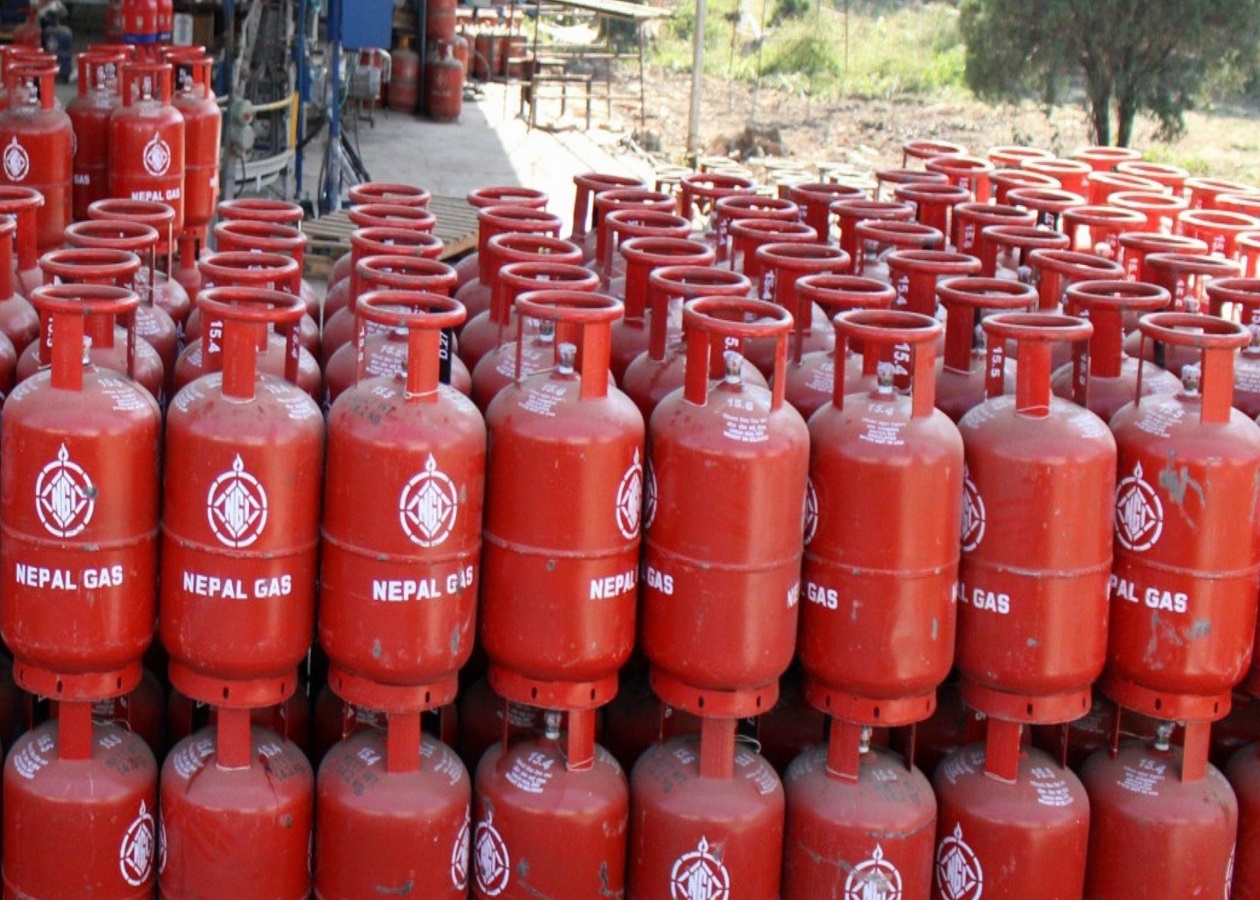
KATHMANDU; Despite repeated assurances from the Nepal Oil Corporation (NOC) that there is no shortage of liquefied petroleum gas (LPG), consumers across the country continue to face severe difficulties obtaining cooking gas, with many waiting in long queues for weeks—and in some cases, months—to refill a cylinder.
After consistently denying any supply problem, the state-owned fuel supplier has now acknowledged that the current shortage has emerged during the transition from distributing half-filled cylinders to full-weight cylinders. According to NOC, monthly LPG demand has surged to 55,000–60,000 metric tons, up from the normal requirement of around 48,000 metric tons.

NOC introduced a temporary half-cylinder distribution policy on March 13, supplying only 7.1 kilograms of LPG per cylinder, as a rationing measure to curb panic buying and hoarding triggered by escalating tensions in the Middle East. The corporation resumed the distribution of full 14.2-kilogram cylinders on July 15.
However, even after the shortage became evident about a week ago, senior NOC officials continued to insist that there was no supply crisis. The corporation has attributed the disruption to delayed LPG transportation following the temporary closure of India's Haldiya and Durgapur refineries, while also blaming excessive consumer hoarding for worsening the situation.
Consumer rights advocates have rejected that explanation. Speaking at a meeting of the parliamentary Industry, Commerce, Labour and Consumer Welfare Committee on Tuesday, consumer rights activist Madhav Timilsina said it was unfair to hold consumers responsible for the crisis.
"If households had enough cooking gas for their daily needs, they would not be forced to stand in long queues for hours, even in the rain, just to refill a cylinder," Timilsina said.
LPG bottling companies, meanwhile, blamed the government's policy decisions for the ongoing shortage.
Diwan Bahadur Chand, president of the Nepal LP Gas Industry Association, said bottlers had initially supported the half-cylinder distribution system only as a short-term emergency measure. "We had advised the government to implement the policy for a limited period, but it was extended for much longer than necessary, ultimately leading to the current crisis," he said.
Industry stakeholders argue that the shortage is less a result of inadequate imports than of poor planning and weak distribution management by NOC and the government. They say the corporation failed to accurately assess post-rationing demand and lacked an effective strategy for restoring normal distribution after resuming full-cylinder supplies.
As thousands of households continue to struggle for one of the country's most essential household fuels, pressure is mounting on NOC and the government to improve distribution, restore public confidence, and prevent the crisis from worsening.
Conversation


More News

- Nepal's First Energy Based News Portal
-
Energy Information Center Pvt. Ltd.
Hemant Marg-11, Babar Mahal, Kathmandu
- Info. Dept. Reg. No. : 254/073/74
- Telephone : +977-1-5321303
- Email : [email protected]