 Urja Khabar
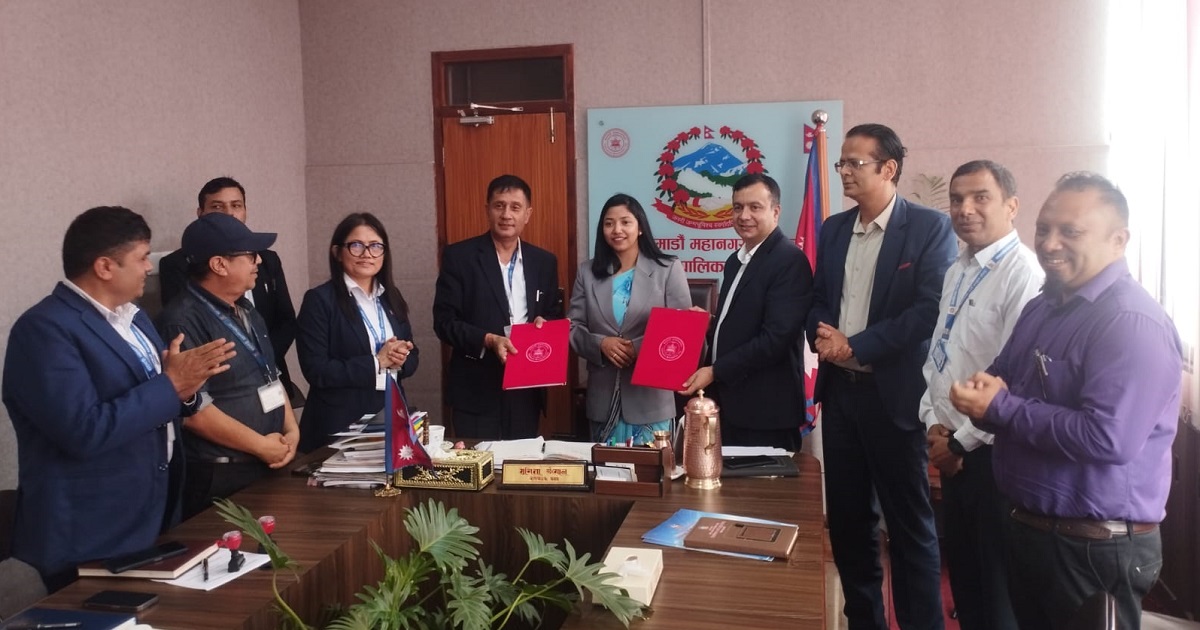
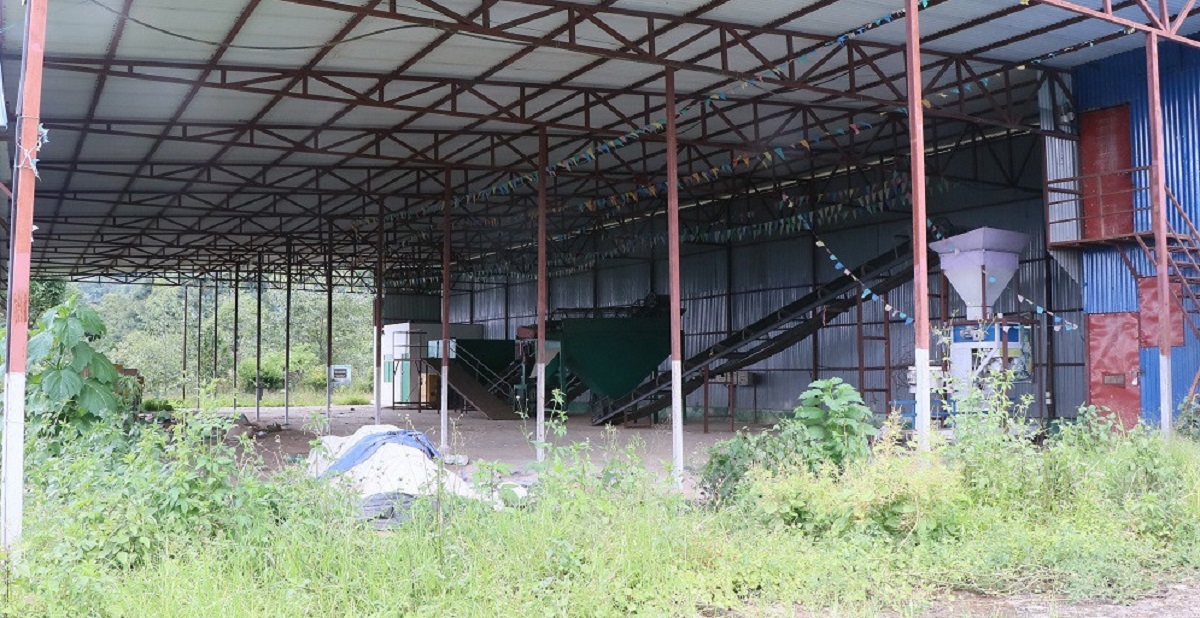
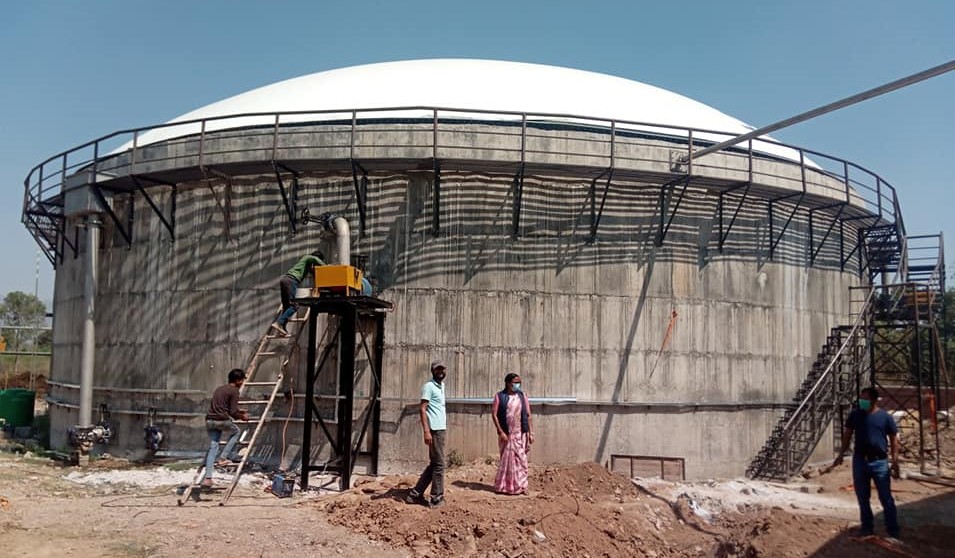
KATHMANDU; Kathmandu's long-idle Waste-to-Energy project in Teku is set to return to operation, marking a significant step toward sustainable waste management and the promotion of a circular economy in Nepal.
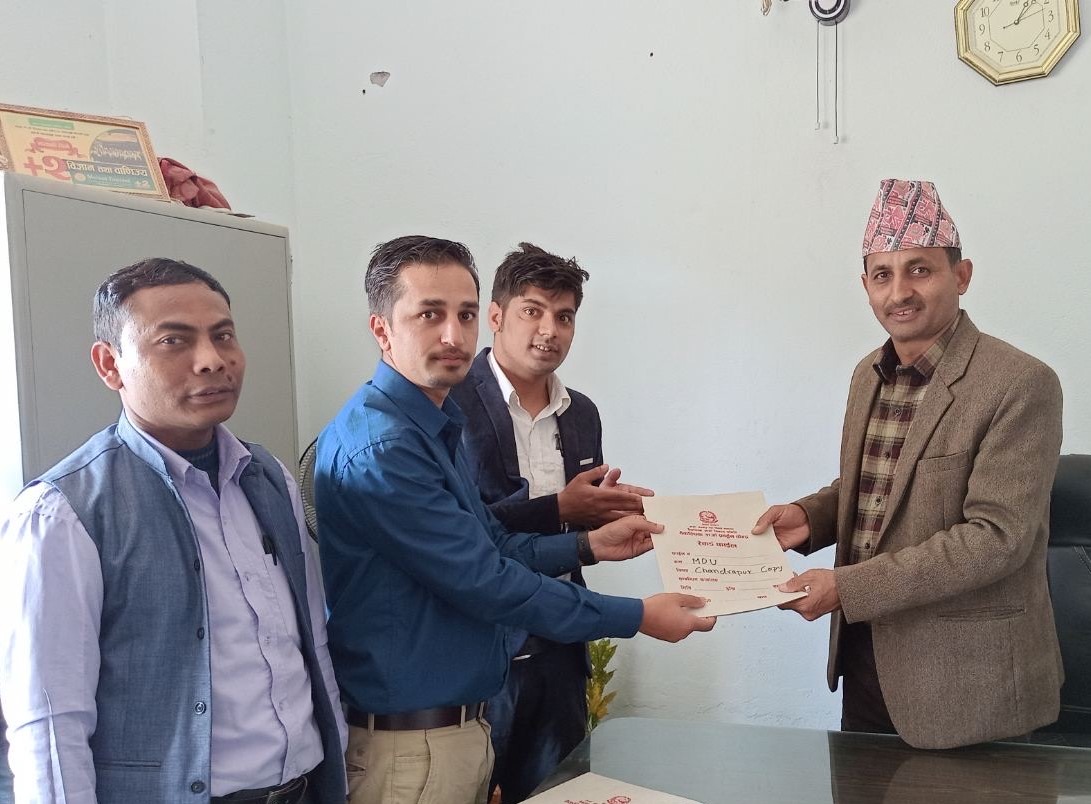
The Kathmandu Metropolitan City (KMC) and the Alternative Energy Promotion Centre (AEPC) have signed an agreement to rehabilitate and sustainably operate the facility, which has remained closed for several years despite being established as a pioneering waste-to-energy initiative.

Under the agreement, the project is expected to resume operation within the next two months. AEPC Executive Director Nawaraj Dhakal and KMC Chief Administrative Officer Saroj Guragain signed the agreement into effect.
The facility, originally built with approximately Rs 18 million in financial assistance from the European Union, had operated for a limited period before being shut down. AEPC said the rehabilitation will now be carried out with support from the World Bank under its Mini Grid Energy Access Program, ensuring the project's long-term sustainability.
The revival of the plant follows strong interest shown by Minister for Energy, Water Resources and Irrigation Biraj Bhakta Shrestha, who has prioritized bringing the dormant facility back into operation as a model project after assuming office. The minister recently held discussions with KMC Acting Mayor Sunita Dangol on expanding energy generation from municipal waste and improving the operation and maintenance of street lighting across the capital. AEPC board member Ankita Shah has also consistently advocated for reactivating the project.
Speaking at the agreement-signing ceremony, Acting Mayor Dangol expressed confidence that the rehabilitation would be completed on schedule. She also reaffirmed the metropolis' commitment to partnering with AEPC on future initiatives related to renewable energy and environmental sustainability.
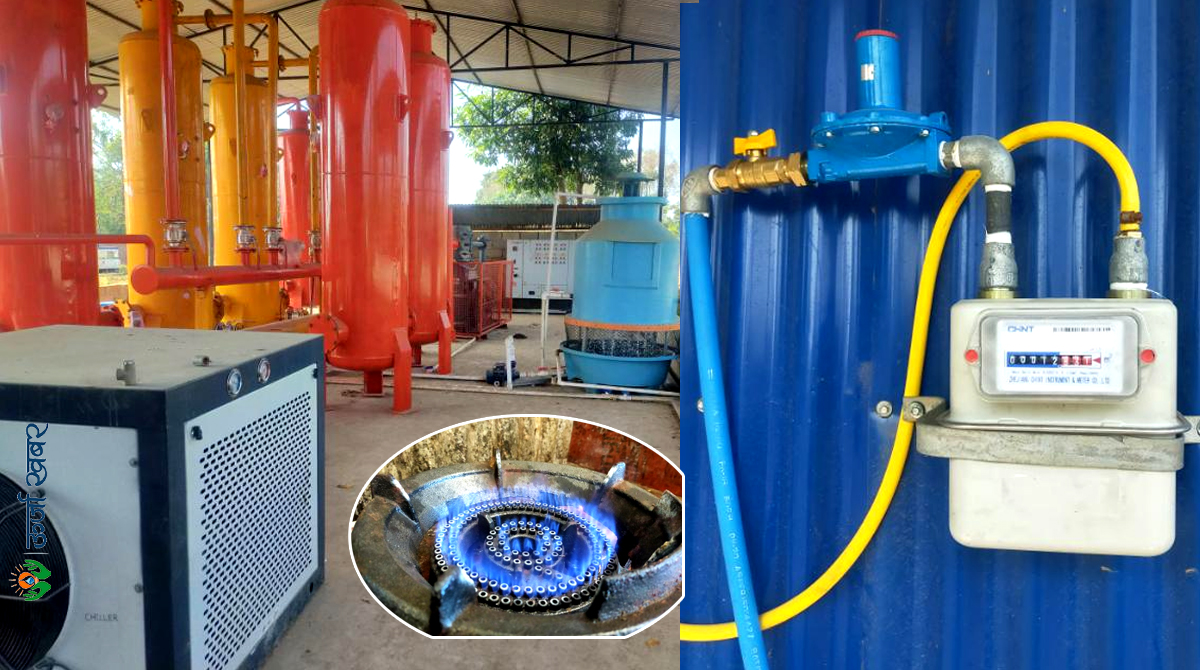
AEPC Executive Director Dhakal said the agreement clearly defines responsibilities for reconstruction, operation and eventual handover of the facility. Once operational, he said, the project will contribute significantly to the scientific management of biodegradable waste, production of organic fertilizer, renewable energy generation, and the advancement of a circular economy in the Kathmandu Valley.
Since 2014, AEPC has been implementing waste-to-energy initiatives across the country and currently supports more than 20 large-scale commercial biogas plants in seven municipalities with World Bank assistance.
Looking ahead, AEPC has submitted a proposal worth US $48 million to the Ministry of Finance to expand waste-to-energy initiatives nationwide. The centre is also advancing a carbon trading project under Article 6.2 of the Paris Agreement, aiming to leverage international carbon markets to further support Nepal's clean energy and climate goals.