Energy Update



Small Hydropower: Backbone of Clean Energy or a Forgotten Tale?
-
 Urja Khabar
- 13 May, 2026
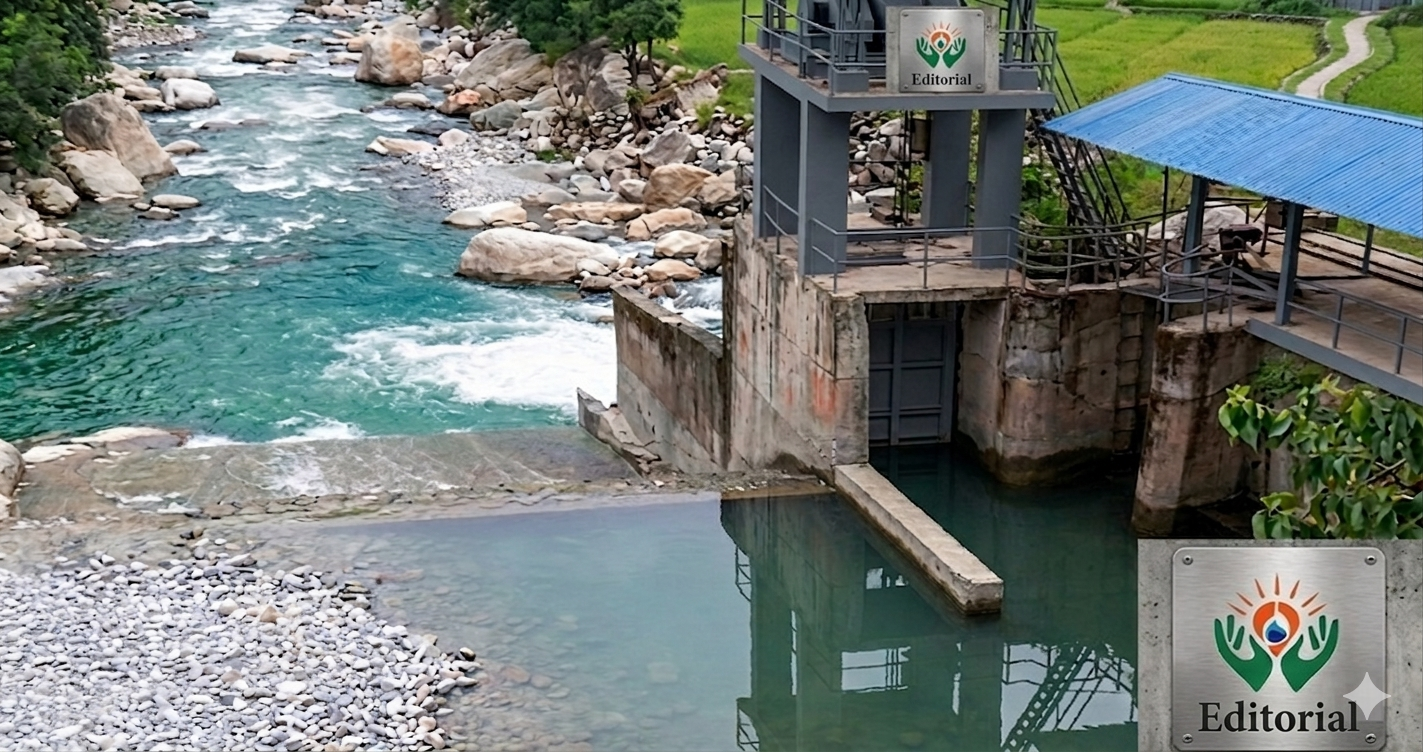
Hydropower development in Nepal has now been firmly established as a backbone of the na onal economy, energy security, and sustainable development. Despite being a country endowed with abundant water resources, Nepal was compelled for a long me to rely on imported energy to meet domestic demand. The most decisive policy intervention adopted by the state to break this dependency was the institutionalization on of private sector participation in the hydropower sector.
Although the Nepal Electricity Act, 1963 (2020 BS) fi rst introduced the concept of private sector involvement, practical implementation became possible only after the Hydropower Development Policy and the Electricity Act of 1992 (2049 BS). These policy and legal frameworks initially prioritized projects up to 5 MW, and later up to 10 MW, laying the foundation for domestic investment, technological development, job creation, and rural economic transformation.

It was through this policy opening that the private sector entered hydropower development, beginning its journey with small-scale projects. Projects such as Piluwa Khola, Lower Indrawa, and Sunkoshi (small) demonstrated the capacity, potential, and confidence of private developers. As experience accumulated over me, the scale of investment, access to technology, and the ability to bear risk gradually expanded.
According to the Department of Electricity Development (DoED), projects ranging from 1 kW to 10 MW are 124, accounting for 60.49 percent of all hydropower projects. Together, they contribute 576 MW to the country’s total installed hydropower capacity. Today, projects totaling thousands of megawa s are at various stages of the study, construction, and planning, financed entirely by domestic investment. As a result of these eff orts, electricity genera on has increased, enabling Nepal to export surplus power to India during the monsoon season after meeting internal demand.
Behind these achievements, however, there lies a critical reality: the small hydropower projects that laid the groundwork for the sector are now facing a serious crisis. Government bodies, line agencies, and regulatory ins tu ons that once played a decisive role in promoting these projects appear increasingly neglectful toward them. Policy instability, inadequate transmission infrastructure, unviable power purchase agreement (PPA) rates, sharp increases in construction material costs, and high bank interest rates have placed small projects under severe financial pressure. Added climate change–induced risks have confi ned many of them to a struggle for mere survival.
In reality, small hydropower projects are the “training grounds” of hydropower development. It was through these projects that domestic investors learned to take risks, engineers and technicians gained practical experience in design, construction, and operation, and banks and financial institutions developed hydropower financing models. These projects also played a decisive role in expanding roads, bridges, communications, education, health services, employment, and social infrastructure in rural areas. Through local investment, royalty distribution, and corporate social responsibility programs, they became deeply integrated with local development.
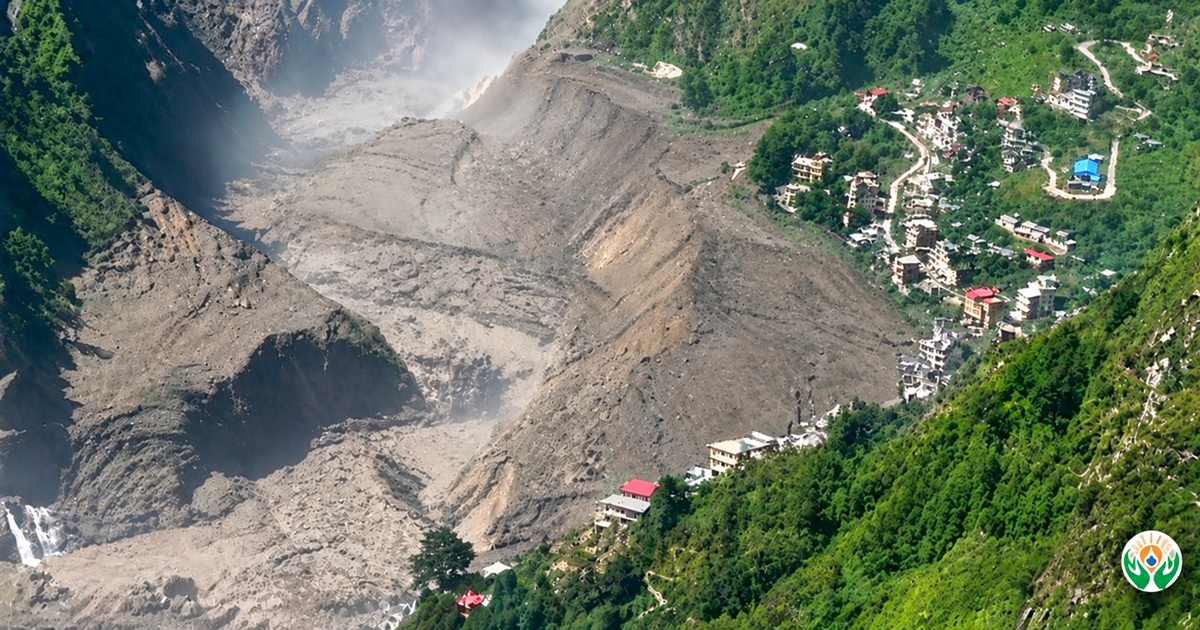
Today, climate change has made river flows increasingly uncertain. Winter generation has declined sharply, while monsoon flows often deviate from expectations. The risks of floods, landslides, inundation, and riverbank erosion have increased. Yet the risksharing structure remains outdated—risk is borne by the private sector, while control rests with the state. The failure to update compensation, penalty, and PPA-related provisions in line with changing realities reflects policy insensitivity.
Incentives, exemptions, and facilities that initially appeared attractive failed to maintain continuity over time. Commitments made during periods of energy crisis were forgotten as conditions improved. Repeated policy revisions, inconsistencies between acts and regulations, and the absence of clear implementation guidelines have pushed small projects into an “existential battle.”
An increase in distressed projects inevitably leads to a contraction in future investment. This also adds risk to the banking system, as a growing share of non-performing loans is hardly a positive signal for fi nancial stability. When generation declines, revenues fall, but loan and interest obligations remain unchanged. This directly affects new investment and long-term energy goals. More seriously, it weakens the message that “hydropower investment in Nepal is safe.”
Although the government has announced numerous incentives in recent years in the name of addressing the energy crisis, a large share has failed to materialize in practice. Inability to evacuate generated power, delays in constructing transmission lines and substations, and PPA structures that are disconnected from actual costs and risks are clear indicators of managerial failure. These problems can no longer be postponed. Policy clarity, legal stability, effective implementation, prioritization of transmission infrastructure, PPA review, and financial restructuring have become imperative.
The private sector must be recognized not as a culprit, but as a partner in achieving national energy goals.
Today’s small projects were yesterday’s major initiatives. Protecting projects that serve as the foundation, history, and pathfi nders of hydropower development is a shared responsibility of the government and all stakeholders. Without the sustainability of small projects, the future of large projects cannot be secure. Now, small hydropower has become a thing of the past -- almost like a forgotten tale. It should not be treated this way. The government must recognize its importance and adopt appropriate policies to ensure its sustainable operation. Only then can large projects also be safeguarded, and the multidimensional benefi ts this sector has delivered to the nation and society continue to be realized.
This editorial has been excerpted from the semi-annual Urja Khabar magazine published in January 2026.
Conversation


More News





- Nepal's First Energy Based News Portal
-
Energy Information Center Pvt. Ltd.
Hemant Marg-11, Babar Mahal, Kathmandu
- Info. Dept. Reg. No. : 254/073/74
- Telephone : +977-1-5321303
- Email : [email protected]