Energy Update



Electric Vehicles: Adoption, Challenges, and Solutions
-
 Urja Khabar
- 15 August, 2025
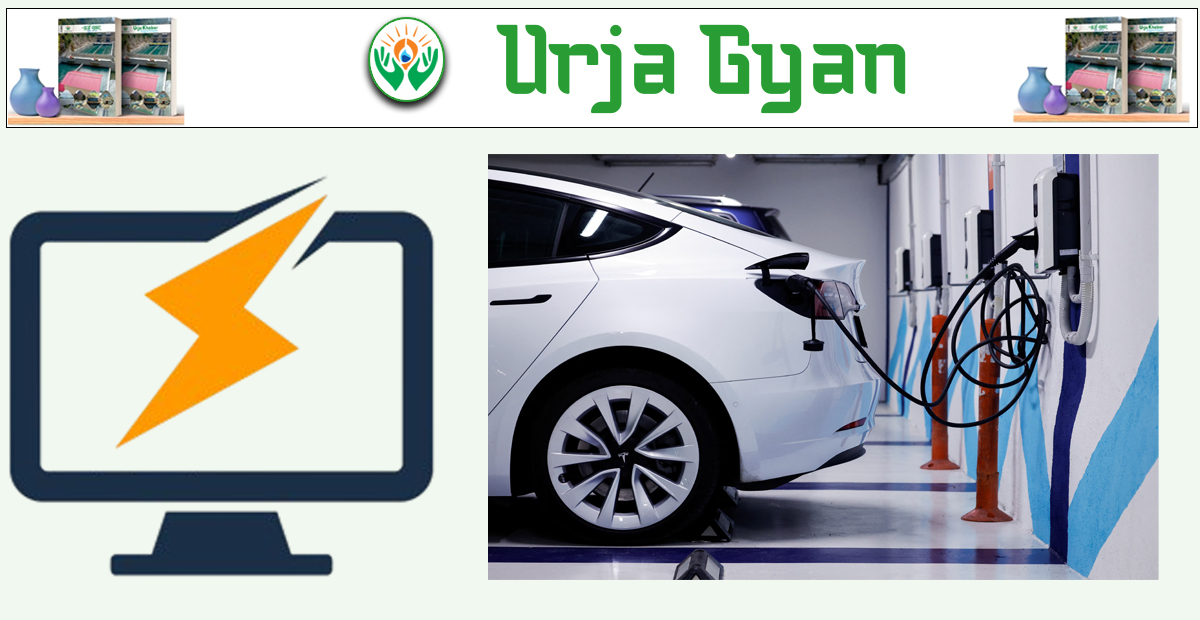
Kathmandu : As part of the weekly informative column "Urja Gyan" published every Friday by Urja Khabar, this week we present to you information on "Electric Vehicles: Adoption, Challenges, and Solutions." In the previous week, we had published how the energy sector impacts the environment and climate, along with the potential solutions.
1. What is an Electric Vehicle (EV)?

Answer:
An Electric Vehicle (EV) is a car that is powered partially or entirely on rechargeable batteries by electricity as an alternative to fossil fuels such as petrol or diesel.
2. What are the three main categories of electric vehicles?
Answer:
There are three main types of electric vehicles:
- Battery Electric Vehicles (BEV): Powered completely on batteries and electric motors.
- Plug-in Hybrid Electric Vehicles (PHEV): Powered by an electric motor and internal combustion engine.
- Hybrid Electric Vehicles (HEV): Driven by fuel and small battery, which is recharged by regenerative braking and not plugged into a power source.
3. What are the major components of an electric vehicle?
Answer:
- The major components of an electric vehicle include:
- Battery pack (Lithium-ion or equivalent)
- Electric motor
- Power electronics (inverter, controller)
- Onboard charger
4. What is driving the adoption of electric vehicles?
Answer:
Adoption refers to the pace at which and the degree to which individuals and companies shift from traditional gasoline-powered vehicles to electric vehicles. Adoption is affected by:
- Government initiatives (tax exemption, subsidy, level of customs duty)
- Charging infrastructure availability
- Purchase price
- Public awareness of environmental benefits
- Technical factors such as battery life and charging time
5. What is the current situation with the usage of electric vehicles in Nepal?
Answer:
Following the government's decline in EV taxes and the hike in petrol prices, EV imports significantly increased from 2020 onwards.
- Specifically well-liked in urban regions such as the Kathmandu Valley.
- In recent times, usage has also risen not only for private cars but also in medium-sized public transports, such as electric cars, jeeps, and vans.
6. What are the greatest challenges in utilizing electric vehicles?
Answer:
Technical Challenges:
- Insufficient charging stations in rural regions and on highways
- Slow charging compared to fossil fuel refueling
- Battery degradation with age and costly replacement
- Increasing number of accidents
Economic Challenges:
- Higher upfront cost, though lower operating cost
- Import reliance (batteries, parts) and supply chain vulnerability
- Restricted finance facilities availability to customers
Policy and Infrastructure Challenges:
- Uncertainty over government incentives (tax policy changes affect take-up)
- No nationwide charging infrastructure
- Grid capacity upgrade needed
Social and Awareness Challenges
- Public perception that EVs are only suitable in towns
- There are no trained mechanics to fix them
7. What are the solutions and direction of travel?
Answer:
Policy and Incentives:
- Continue and expand tax exemptions and subsidies in the long term
- Encourage foreign and domestic investment in local EV assembly and manufacturing
Infrastructure Development:
- Develop a national fast-charging network, including rural areas
- Deploy "battery swapping stations" for fleet EVs (taxis, buses), where batteries can be replaced with fully charged ones
Technology and Innovation:
- Encourage research to improve battery capacity and recharge ability from renewable energy sources
- Introduce solar-powered charging stations to spread the load on the grid
Awareness and Training:
- Introduce public campaigns on cost efficiency and environmental benefits
- Provide training to servicing and maintenance personnel
Conversation


More News




- Nepal's First Energy Based News Portal
-
Energy Information Center Pvt. Ltd.
Hemant Marg-11, Babar Mahal, Kathmandu
- Info. Dept. Reg. No. : 254/073/74
- Telephone : +977-1-5321303
- Email : [email protected]