 Urja Khabar
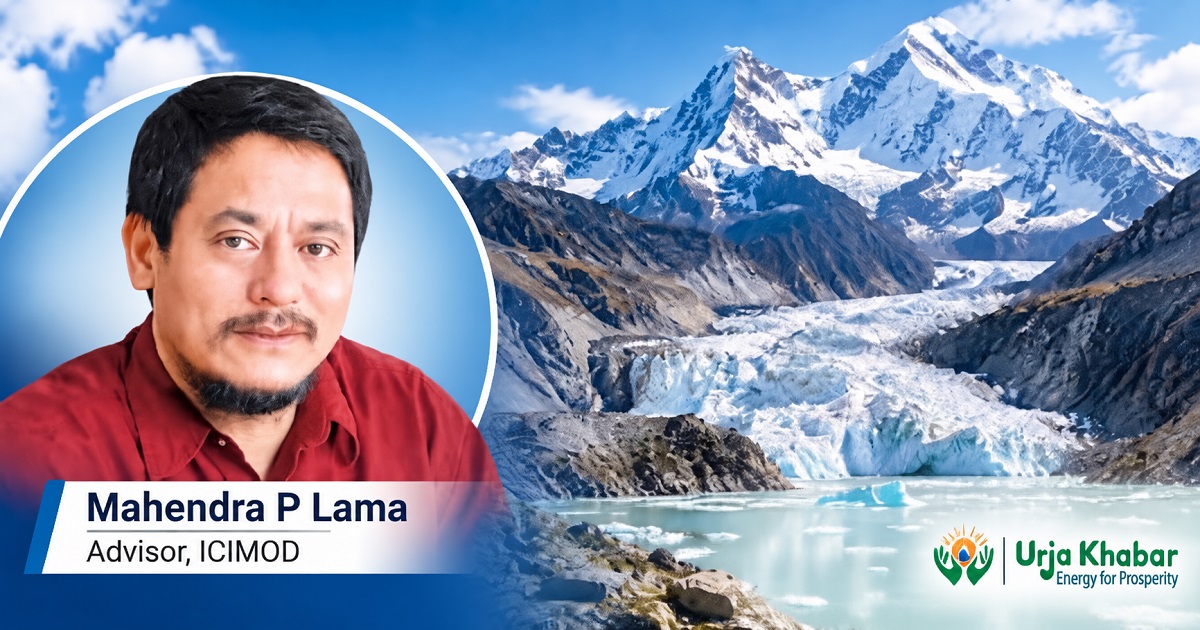
Kathmandu: The increasing frequency of glacier-related disasters in the Himalayas has raised concerns over the risk of glacial lake outburst floods (GLOFs) in India’s northeastern region, as climate change accelerates the melting of glaciers and the formation of glacial lakes.
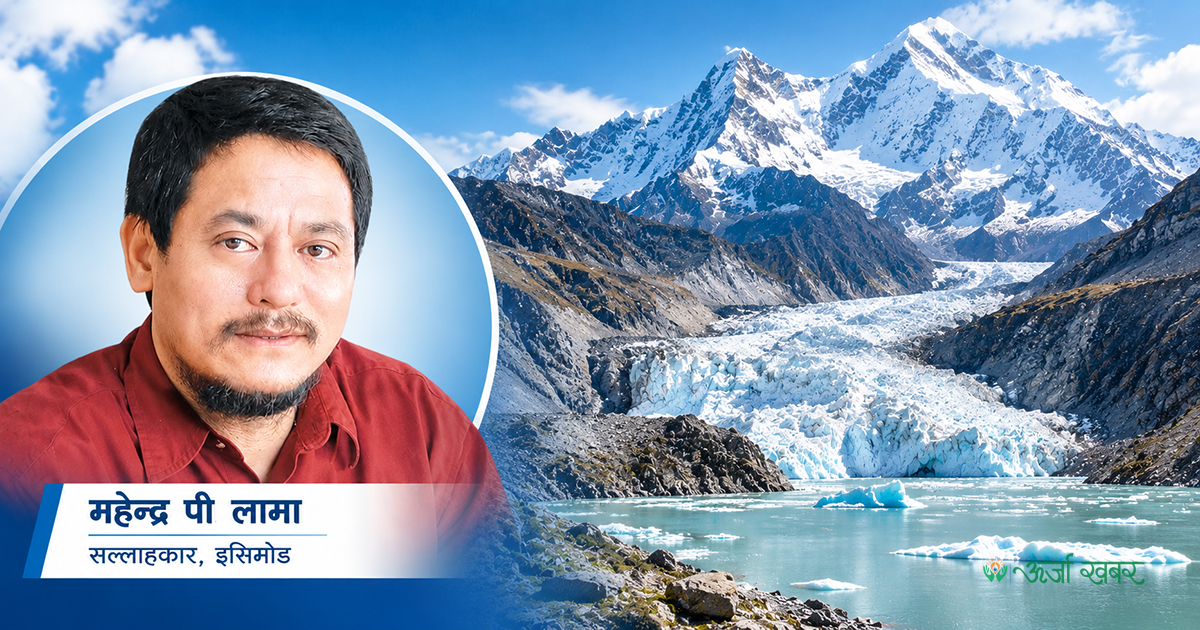
Prof. Mahendra P Lama, adviser to the International Centre for Integrated Mountain Development (ICIMOD), has warned that India’s northeastern region is particularly vulnerable to GLOFs because of its proximity to the Himalayan glacial lakes. His remarks were reported by The Assam Tribune, an English-language daily published in northeastern India.

According to Prof. Lama, other parts of India are relatively less exposed because Nepal and Bhutan act as geographical buffer countries between the Himalayan glacial lakes and the plains of India. However, the northeastern region remains directly vulnerable to hazards originating in the Himalayan region.
The Himalayas have been warming rapidly, with glacier melt accelerating particularly over the past two decades. Prof. Lama attributed the trend primarily to global warming driven by climate change, while also pointing to increasing human interventions in the fragile mountain environment.
He said the growing number and size of glacial lakes across the Himalayas have increased the potential for GLOFs. The risk is further compounded by increasing avalanches and cloudburst events, which can trigger sudden releases of water from unstable glacial lakes.
The first major impacts of GLOFs in the Himalayan region were observed decades ago, but the threat has intensified as glaciers continue to retreat and glacial lakes expand. Prof Lama stressed the need for continuous monitoring of vulnerable lakes and detailed scientific assessments of glacier melt and its potential downstream impacts.
He also called for stronger international cooperation among Himalayan countries. Since GLOFs can cross national boundaries and affect downstream communities far from their source, he emphasized the importance of sharing real-time data on glaciers, glacial lakes, weather and hydrological conditions among countries.
“Real-time data must be shared between countries to reduce the impact of GLOFs,” Prof. Lama said.
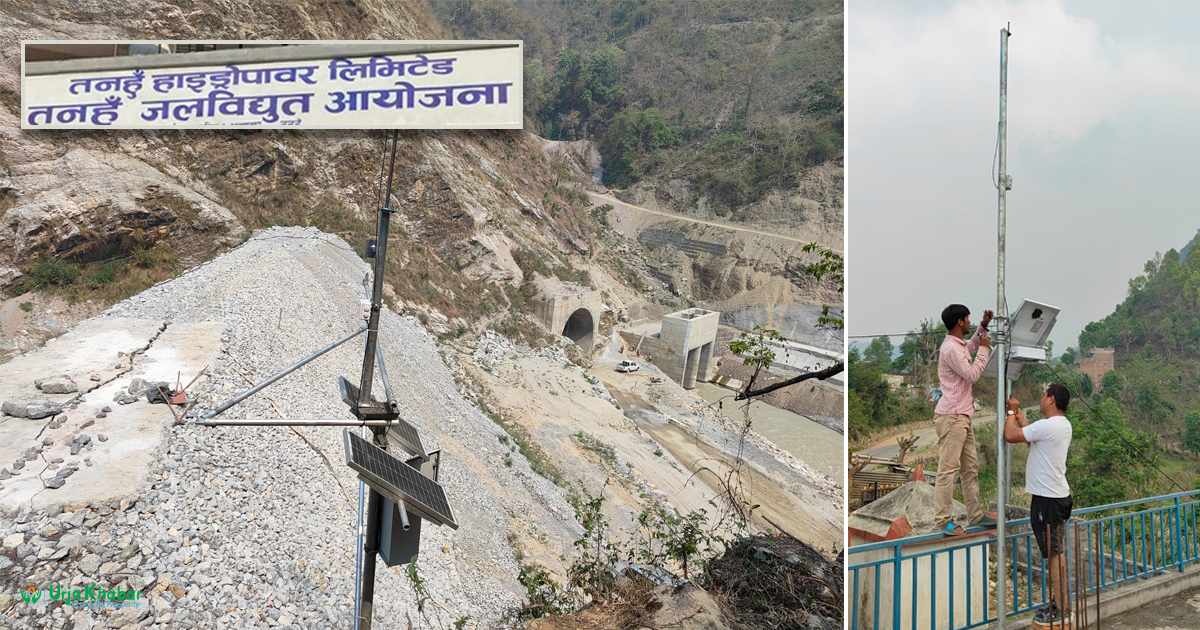
The growing GLOF threat highlights the need for stronger early-warning systems, regular monitoring of high-risk glacial lakes and coordinated disaster preparedness across the Himalayan region.