Energy Update


4th World Irrigation Forum and 76th International Executive Council (IEC) Meeting
Joint Secretary Sanjeeb Baral Elected as Vice President of ICID
-
 Urja Khabar
- 16 September, 2025
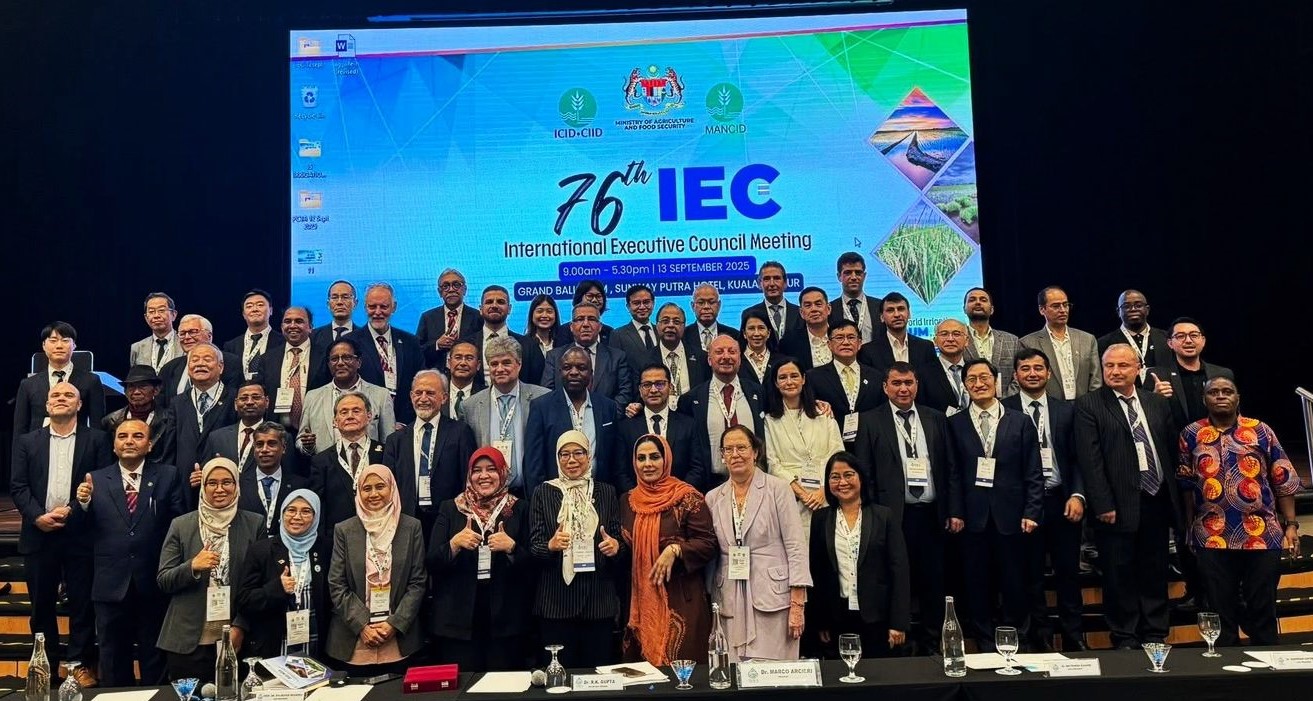
Kathmandu : Sanjeeb Baral, Joint Secretary of the Government of Nepal (Ministry of Energy, Water Resources and Irrigation), has been elected as a Vice President of the International Commission on Irrigation and Drainage (ICID) during the 76th International Executive Council (IEC) Meeting, held in Kuala Lumpur, Malaysia, from 7–13 September 2025. He will serve a three-year tenure from 2025 to 2028.
Every year, three Vice Presidents are elected for a three-year term. Along with Baral from Nepal, Cristina Clemente Martinez from Spain and Ester Oyeronke Oluniyi from Nigeria were also elected as Vice Presidents this year.

Nepal has been a member country of the International Commission on Irrigation and Drainage (ICID) since 2057-01-19 B.S. The Nepal National Committee of ICID (NeNCID) has been actively participating in various programs organized by ICID. Baral is a past president of NeNCID and a member of the Asian Regional Working Group (ASRWG) of ICID.
ICID was established in 1950 and has served as a global platform connecting policy, science, and practice in irrigation, drainage, and flood management. Through its network of National Committees, Working Groups, and partner organizations, ICID has been facilitating the exchange of ideas, dissemination of best practices, and promotion of innovation with the goal of achieving water security, food security, and sustainable rural development.
He is currently working as Joint Secretary at the Water Resources and Energy Research Center under the Water and Energy Commission Secretariat (WECS). He is a former Director General of the Department of Water Resources and Irrigation (DWRI) and has also served as Province Secretary of Bagmati Province, Joint Secretary of the Government of Nepal, and Deputy Director General of DWRI.
He has more than 18 years of experience in the hydropower, irrigation, and water resources sector. He was Project Director of the Bheri-Babai Diversion Multipurpose Project (a National Pride Project), the Water Resources Project Preparatory Facility (WRPPF), and the Budhi Ganga Hydropower Project. He also worked as Senior Divisional Engineer in the Ministry of Energy, the Department of Electricity Development (DoED), and Hydropower Investment and Development Company Ltd. He began his career as a hydropower engineer in Nepal Electricity Authority (NEA) and Butwal Power Company (BPC).
Baral is a PhD scholar in Water Resources Planning and Management at the Institute of Engineering, Pulchowk Campus, Tribhuvan University. He holds a Master’s degree in Water Resources Engineering from IOE, Pulchowk Campus, and an Executive MBA from ACE Institute of Management, Pokhara University. He also completed the Hubert H. Humphrey Fellowship Program under the Fulbright Fellowship at Cornell University, New York, USA, in 2016–2017.
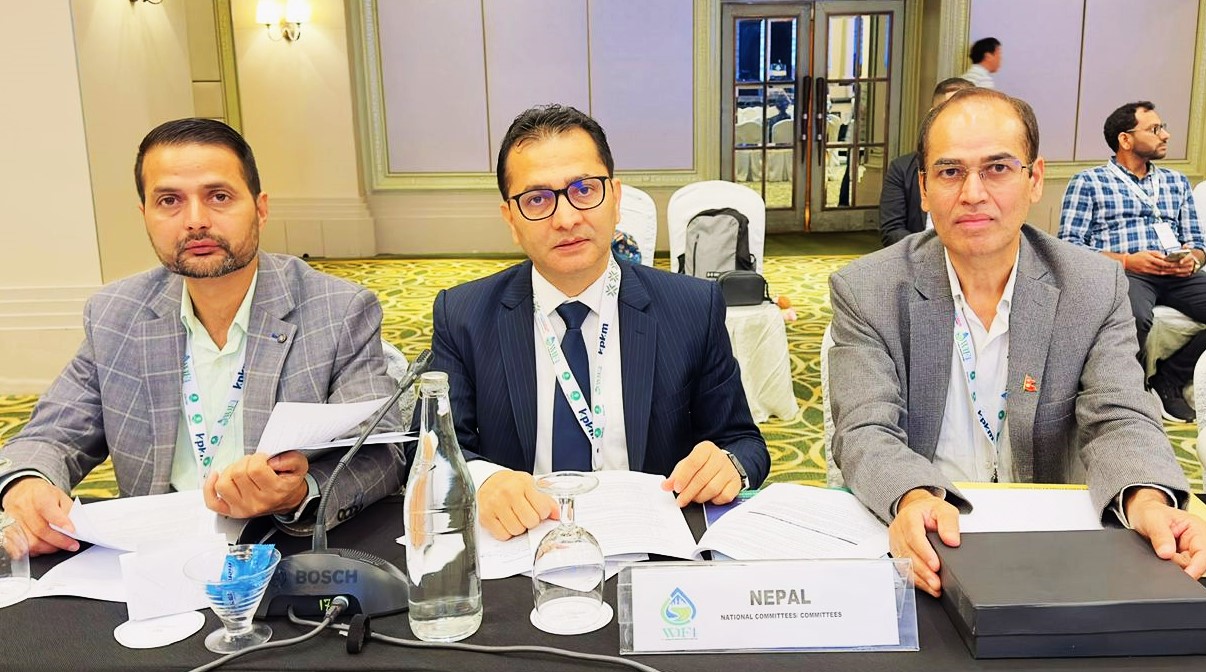 He has received several honors, including the Suprabal Janasewa Shree (Service Excellence Award) from the Government of Nepal and the Youth Professional Award 2012 from the Nepal Engineers’ Association (NEA).
During the IEC Meeting, Baral shared his vision and commitment as Vice President of ICID, focusing on the following priorities:
1. Strengthen global collaboration for sustainable irrigation and drainage by fostering partnerships, exchanging knowledge, and scaling up innovations.
2. Promote water-use efficiency and climate-smart irrigation through smart technologies, conjunctive use of surface and groundwater, and renewable energy integration.
3. Empower farmer-managed and community-led systems by enhancing farmers’ capacity, knowledge, and ownership.
4. Bridge policy and practice by ensuring sound, evidence-based policies and translating best practices into local action.
5. Focus on youth and capacity building through mentoring, gender inclusiveness, and professional development.
6. Enhance the role of National Committees by strengthening their capacity, collaboration, and representation in decision-making.
Conversation


More News


- Nepal's First Energy Based News Portal
-
Energy Information Center Pvt. Ltd.
Hemant Marg-11, Babar Mahal, Kathmandu
- Info. Dept. Reg. No. : 254/073/74
- Telephone : +977-1-5321303
- Email : [email protected]