Energy Update



IPPAN Backs Power Trade LoI, Seeks License Guarantees
-
 Urja Khabar
- 28 October, 2026
Kathmandu: The Independent Power Producers’ Association, Nepal (IPPAN) has welcomed the government’s decision to issue Letters of Intent (LoIs) to private companies for cross-border electricity trading but has urged authorities to guarantee the timely issuance of formal licenses.
In a statement issued on Tuesday, IPPAN described the Ministry of Energy, Water Resources and Irrigation’s decision to invite applications for LoIs as an important first step toward fulfilling the private sector’s long-standing demand for electricity trading rights.

The association said the move would allow private companies, previously focused primarily on electricity generation, to explore regional markets, identify potential buyers and partners, and prepare Power Purchase Agreements (PPAs). However, it cautioned that an LoI provides only in-principal approval for preparatory activities and does not guarantee a formal trading license.
IPPAN President Mohan Kumar Dangi thanked the government for addressing a demand that the private sector has pursued for more than two decades. He said the decision could open opportunities for Nepali companies to enter neighboring countries’ electricity markets.
“While the LoI only opens the door to electricity trading for the private sector, it cannot yet guarantee actual entry through that door,” Dangi said.
IPPAN said the initiative could help transform Nepal’s energy sector from a production-oriented model to a market-oriented system. However, it expressed concern that companies would bear substantial financial and legal risks if formal licenses were denied after significant investments had already been made.
According to the association, obtaining an LoI does not automatically entitle a company to a formal license for electricity trading, the implementation of agreements, transmission capacity booking or open access to transmission systems.
The LoI allows companies up to two years to prepare for cross-border electricity trade, including conducting feasibility studies, hiring legal and consulting services, negotiating with prospective buyers and drafting PPAs. However, its conditions reportedly do not oblige the government to issue a formal license or assume liability arising from agreements between companies and their foreign partners.
IPPAN warned that the arrangement could expose companies to financial losses, compensation claims and legal disputes if they are unable to proceed with planned transactions. It also noted that frequent changes in government and policy priorities could undermine investments made under the LoI framework, potentially affecting Nepal’s credibility among international partners.
The association has called on the government to immediately publish clear criteria, procedures and timelines for issuing electricity trading licenses. These should specify technical and financial requirements, minimum transaction volumes, necessary documents, application procedures and deadlines for decisions.
According to IPPAN, transparent guidelines would help companies prepare effectively, ensure equal opportunities, reduce arbitrary decisions and minimize unnecessary delays and disputes.
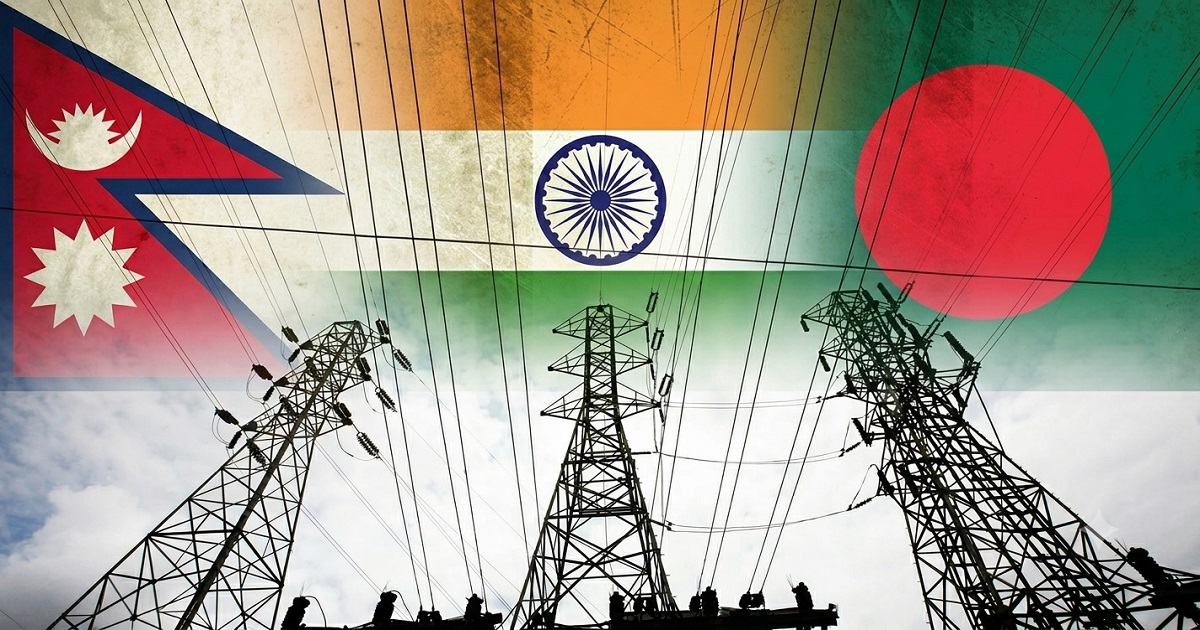
The association has also urged the government to issue formal licenses without delay, arguing that Nepal could miss valuable export opportunities if the process takes too long. Electricity that is surplus during the rainy season could be sold to neighboring countries, where demand is growing, generating revenue and foreign currency while helping reduce the country’s trade deficit.
IPPAN cautioned that the maximum two-year validity of an LoI could leave companies’ preparations incomplete if licenses are not issued within the stipulated period, forcing them to seek extensions and potentially jeopardizing business opportunities.
In addition, the association has called for the swift establishment of legal and technical mechanisms governing open access to transmission systems and the booking of transmission capacity.
IPPAN said electricity trading would remain practically unfeasible without reliable access to transmission lines, even if companies obtained formal licenses. Although provisions exist for non-discriminatory access to domestic and cross-border transmission systems, transparent capacity booking and the determination of transmission or wheeling charges, IPPAN said clear operational regulations are still needed.
The association stressed that timely licensing, transparent procedures and a workable transmission framework are essential to enabling private sector participation in cross-border electricity trade and maximizing Nepal’s regional energy export potential.
Conversation


More News






- Nepal's First Energy Based News Portal
-
Energy Information Center Pvt. Ltd.
Hemant Marg-11, Babar Mahal, Kathmandu
- Info. Dept. Reg. No. : 254/073/74
- Telephone : +977-1-5321303
- Email : [email protected]