Energy Update



Govt Pushes Carbon Finance for Sustainable Transport
-
 Urja Khabar
- 30 July, 2026
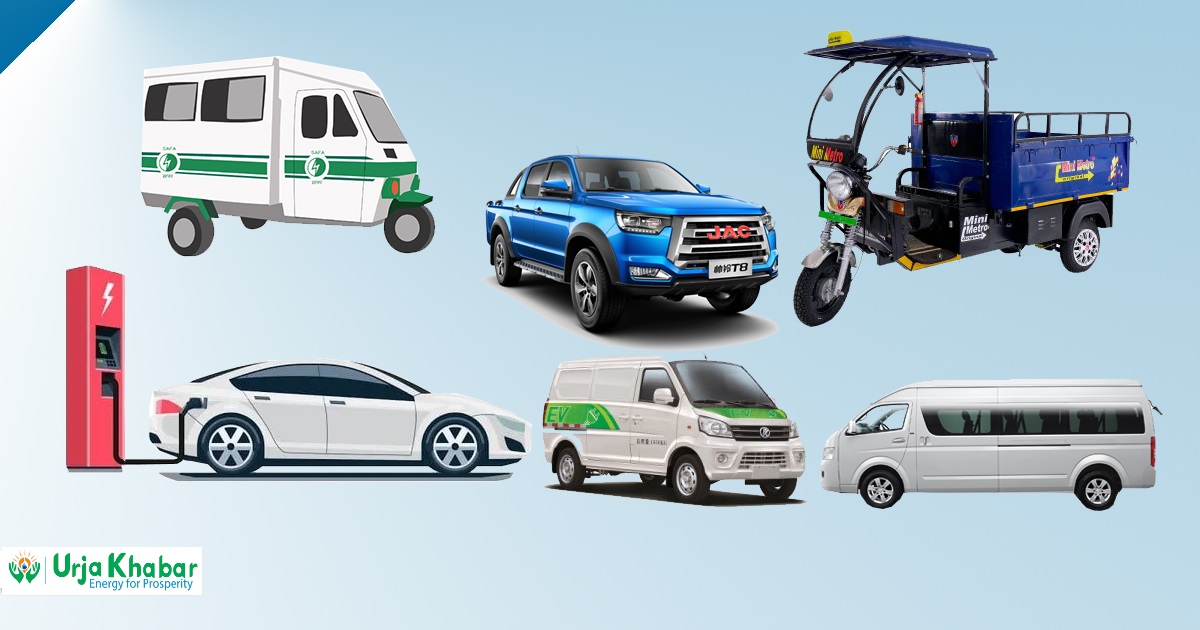
KATHMANDU; The government has aimed to mobilize international financial resources received from sources such as carbon credits, carbon trading, green bonds and climate finance for the development of green and sustainable transport.
Unveiling the ‘National Transport Policy 2026,’ the government has planned to transform the transport system from traditional to modern, integrated, secure and sustainable types. A Cabinet meeting last month gave the go-ahead to this policy, which has set a clear road map for the transformation of the transport system in the next decade.

According to the policy, the funds received from aforementioned sources will be invested with priority in electric vehicle infrastructure, charging stations, battery swapping, electric buses and electrification of public transport. “A clear policy framework will be prepared to increase investment in the green and low-carbon transport sector,” reads the policy.
The government has proposed to provide policy guidance for the use of financial instruments such as green/climate bonds, infrastructure bonds, blended financing and viability gap funding. Innovative financial mechanisms such as 'Vehicle Gap Funding' (VGF) will be implemented within a year to discourage the import of fossil fuel-based vehicles and encourage electric vehicles. Under this scheme, the government will provide grants or concessional loans to entrepreneurs operating electric buses in public transport.
Similarly, the policy states that carbon emission reduction transport projects will be linked to the international carbon trading and carbon crediting system and the identification, registration and certification process of such projects will be strengthened. Through this, Nepal aims to raise resources from the international carbon market as well.
The policy also talks about introducing ‘Green Corridor’ to emphasize tree plantation and construction of eco-friendly infrastructure on the roadside, while the goal is to revise the vehicle renewal and taxation system based on carbon emissions, which will gradually replace conventional fuel vehicles.
With the implementation of this policy, a ‘road safety audit’ has been made mandatory at the planning stage while constructing any new road. High priority has been given to identifying risky bends and places (black spots) on previously completed roads and making immediate improvements. The policy states that a separate annual budget will be managed for this.
Conversation


More News



- Nepal's First Energy Based News Portal
-
Energy Information Center Pvt. Ltd.
Hemant Marg-11, Babar Mahal, Kathmandu
- Info. Dept. Reg. No. : 254/073/74
- Telephone : +977-1-5321303
- Email : [email protected]