 Urja Khabar

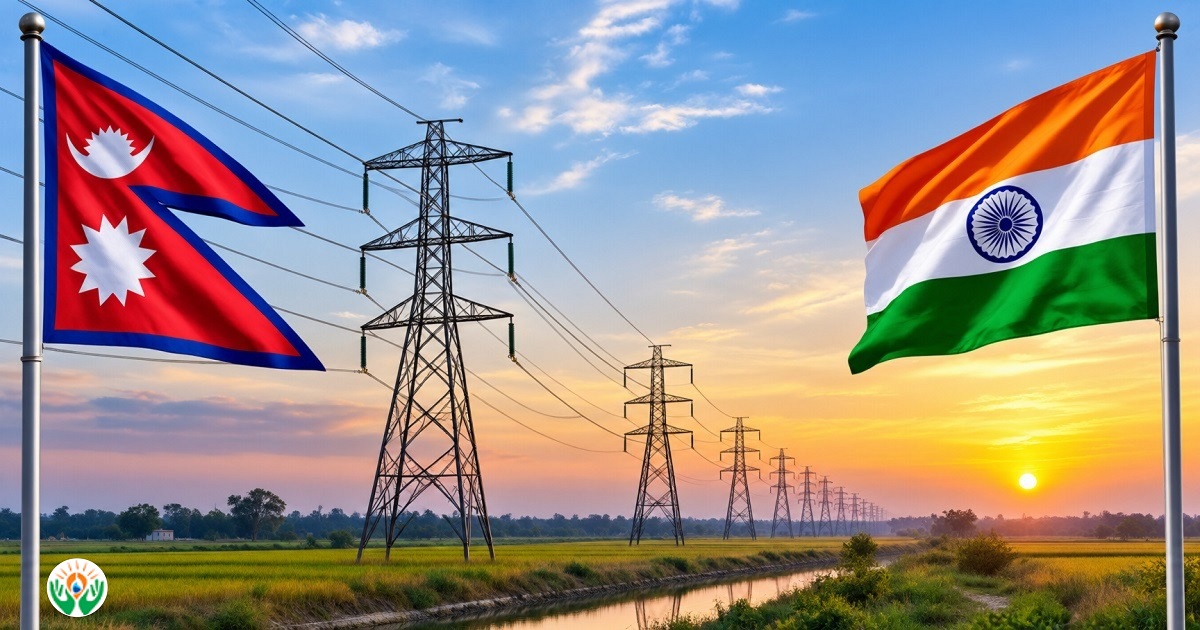
Kathmandu: India has approved the export of electricity to Nepal for up to 18 hours a day until December 31, 2026, as devastating floods have damaged the country’s hydropower infrastructure and reduced domestic generation capacity by nearly one-tenth.
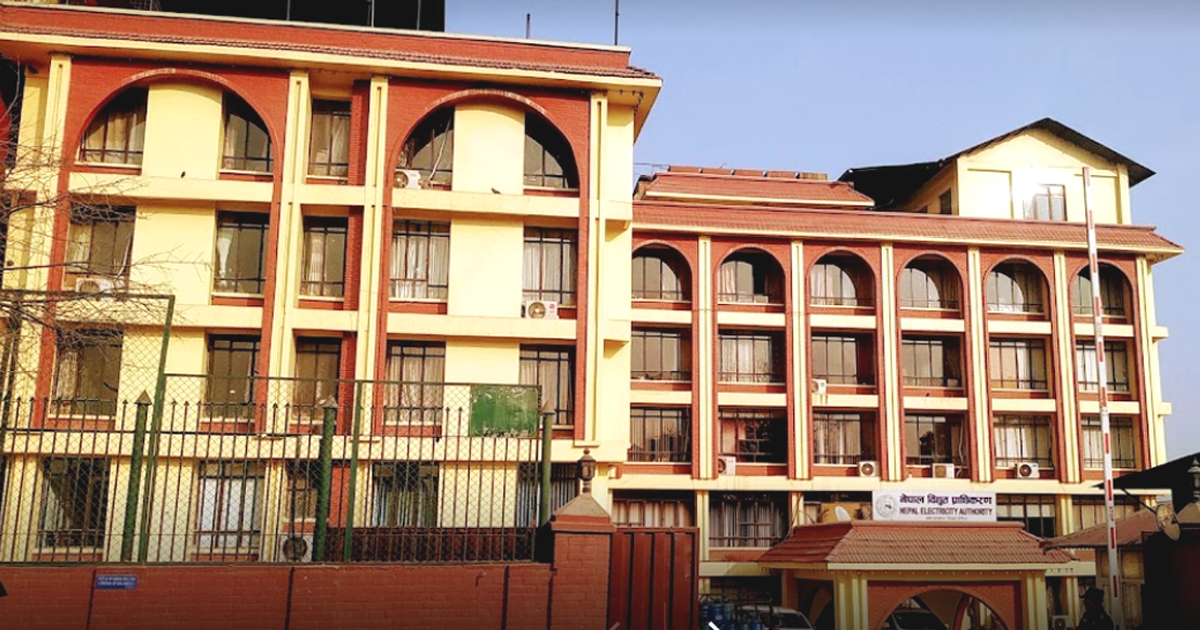
According to a public statement of the Press Information Bureau (PIB), the Indian Ministry of Power has approved electricity exports to the Nepal Electricity Authority (NEA) from September 13 to December 31, 2026, citing Nepal’s additional power requirements following the recent floods.

Under the approval, India will export up to 600 megawatts through the Muzaffarpur–Dhalkebar 400 kV double-circuit line and up to 54 MW through the Tanakpur–Mahendranagar 132 kV single-circuit line. The power will be supplied from midnight to 6 p.m. each day, covering 18 hours.
The PIB said the quantity of electricity to be exported from January 2027 will be reviewed in December 2026.
“The approval will help Nepal meet its power requirements during this difficult period and further strengthen the close and longstanding energy cooperation between India and Nepal,” the Indian Ministry of Power said.
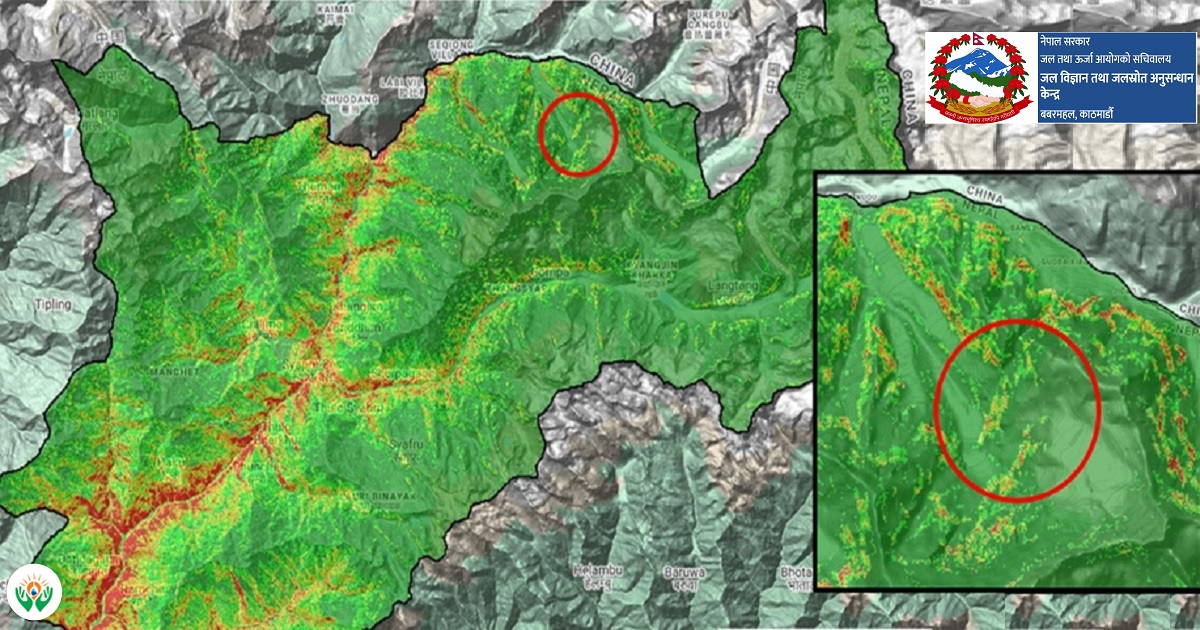
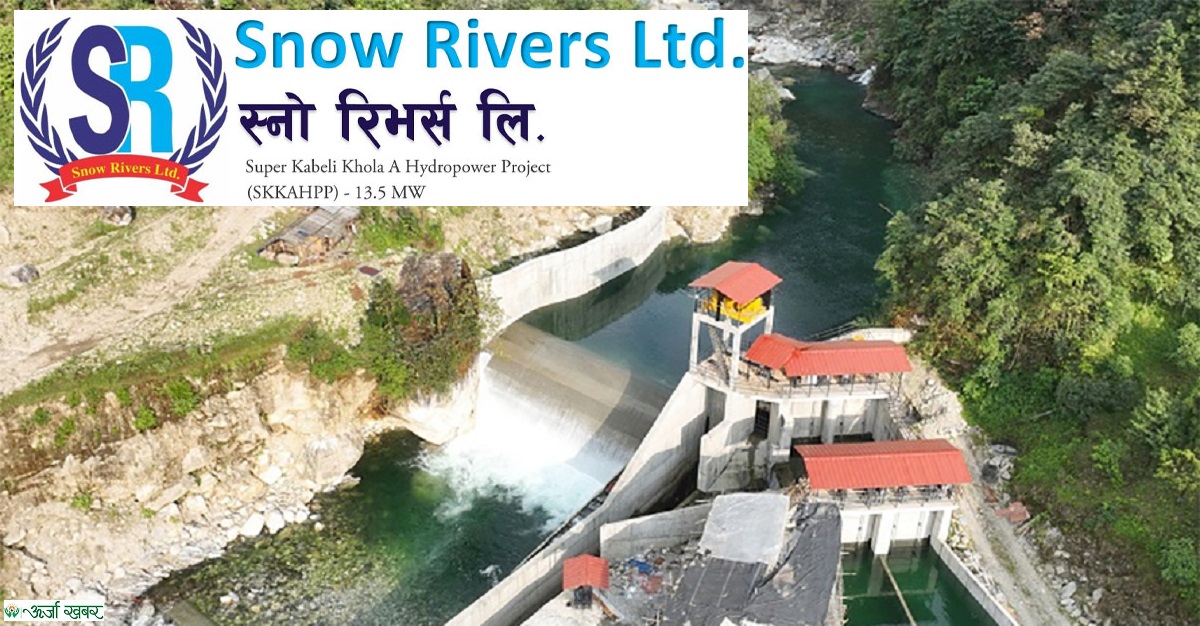
The approval comes after devastating floods in the Bhotekoshi and Trishuli river corridors caused extensive damage to hydropower projects and transmission infrastructure in Rasuwa and Nuwakot. The destruction has sharply reduced Nepal’s available generation capacity at a time when the country had been exporting surplus electricity during the monsoon.
Before the disaster, Nepal was exporting more than 600 MW of electricity to India and around 40 MW to Bangladesh during the rainy season. Those exports were disrupted after floods damaged several major hydropower projects in the country’s key generation areas.
With a large portion of its hydropower generation temporarily unavailable, Nepal is now expected to depend more heavily on electricity imports from India to meet domestic demand in the coming months.
The floods also caused a major human toll. The disaster reportedly killed nearly 1,400 people in Nepal and Tibet and swept away more than a dozen hydropower facilities. Around 900 hydropower-sector workers are among more than 5,300 people still missing, according to the latest reports.