 Urja Khabar
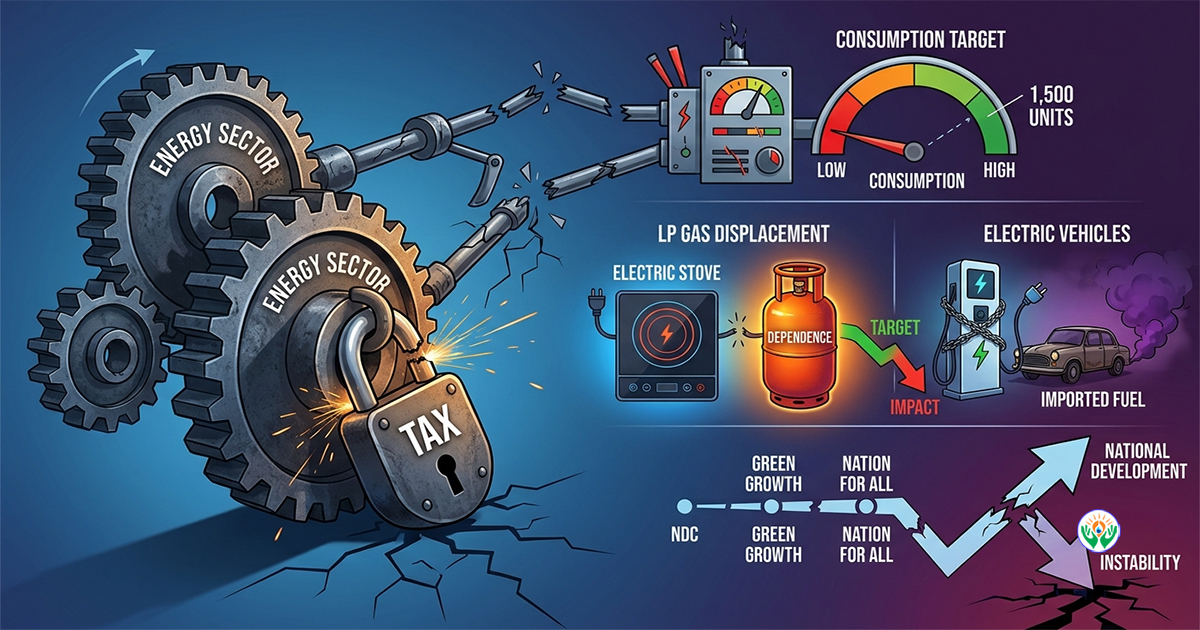
KATHMANDU; The government's decision to impose a five percent Value Added Tax (VAT) on household electricity consumption is expected to add only Rs 4.27 billion to the government revenue while increasing the financial burden on consumers and potentially undermining the country's energy transition goals.
A preliminary study by the Electricity Regulatory Commission (ERC) estimates that the VAT will raise Rs 4.27 billion if applied to households consuming more than 50 units of electricity per month. Under the new budget, consumers exceeding the 50-unit threshold are required to pay a five percent VAT, while industries continue to pay up to 13 percent VAT.

The measure has drawn widespread criticism from experts, consumer groups, and energy stakeholders, who argue that the government should encourage electricity consumption through lower tariffs rather than imposing additional taxes. Amid growing criticism, the government is reportedly considering raising the VAT exemption threshold from 50 units to 150 units per month.
According to the ERC, increasing the exemption limit to 150 units would reduce the projected VAT collection to around Rs 3.5 billion, meaning the government would earn only about Rs 770 million more by retaining the current 50-unit threshold.
Energy experts have suggested introducing an "electricity infrastructure fee" instead of VAT if the government needs additional resources to expand transmission and distribution networks. They argue that such a mechanism would be more transparent and less likely to discourage the adoption of electric stoves, electric vehicles, and other clean energy technologies.
The ERC has warned that the VAT could have far-reaching consequences for the economy and the energy sector.
Higher prices for manufactured goods: Although VAT-registered industries can claim input tax credits, manufacturers may still use higher electricity costs as a reason to increase product prices. Since price regulation falls under the Department of Commerce, Supplies and Consumer Protection rather than the ERC, there is limited oversight to prevent unjustified price hikes.
Greater burden on consumers: Households consuming more than 50 units per month, along with hotels, hospitals, schools, drinking water providers, transport operators, and street lighting services that cannot claim VAT refunds, are likely to face higher operating costs.
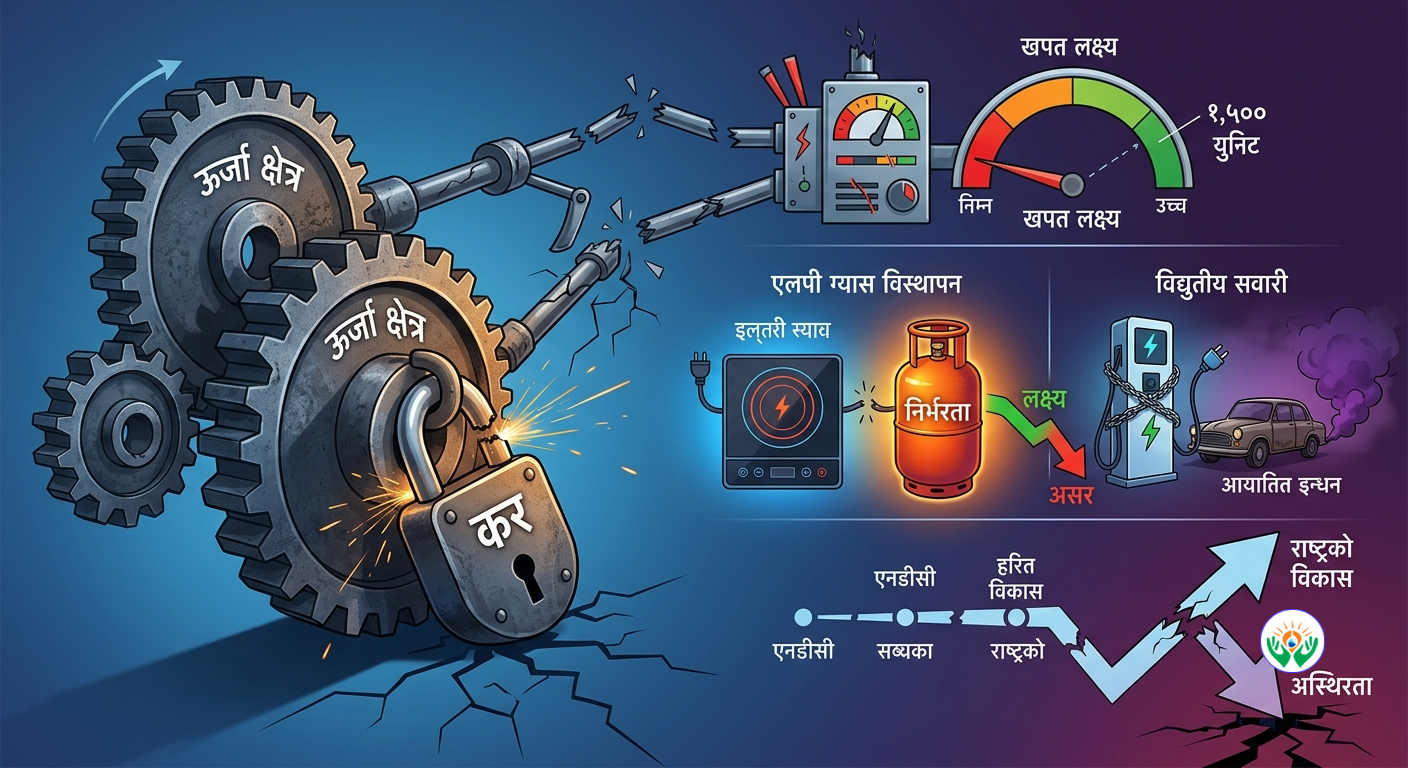
Threat to electricity consumption targets: Nepal's per capita electricity consumption currently stands at about 450 units annually. The government aims to raise this to 1,500 units over the next decade. However, increasing electricity costs could discourage consumers from switching to electric appliances, making it more difficult to achieve that target.
Impact on climate commitments: Nepal's Nationally Determined Contributions (NDCs) under international climate agreements include replacing LPG with electricity and promoting electric vehicles. Higher electricity costs could slow progress toward these commitments.
Concerns over transparency: Critics question whether the additional VAT revenue will actually be invested in strengthening electricity transmission and distribution infrastructure. They fear the revenue could instead be absorbed into general government expenditure, including administrative costs.
Jurisdictional concerns: The ERC argues that the Electricity Regulatory Commission Act, 2017 grants it the authority to determine and revise electricity tariffs. By adding VAT directly to electricity bills without the commission's approval by the Ministry of Finance and the Inland Revenue Department, it has raised questions over regulatory jurisdiction and the legitimacy of the decision.