 Urja Khabar

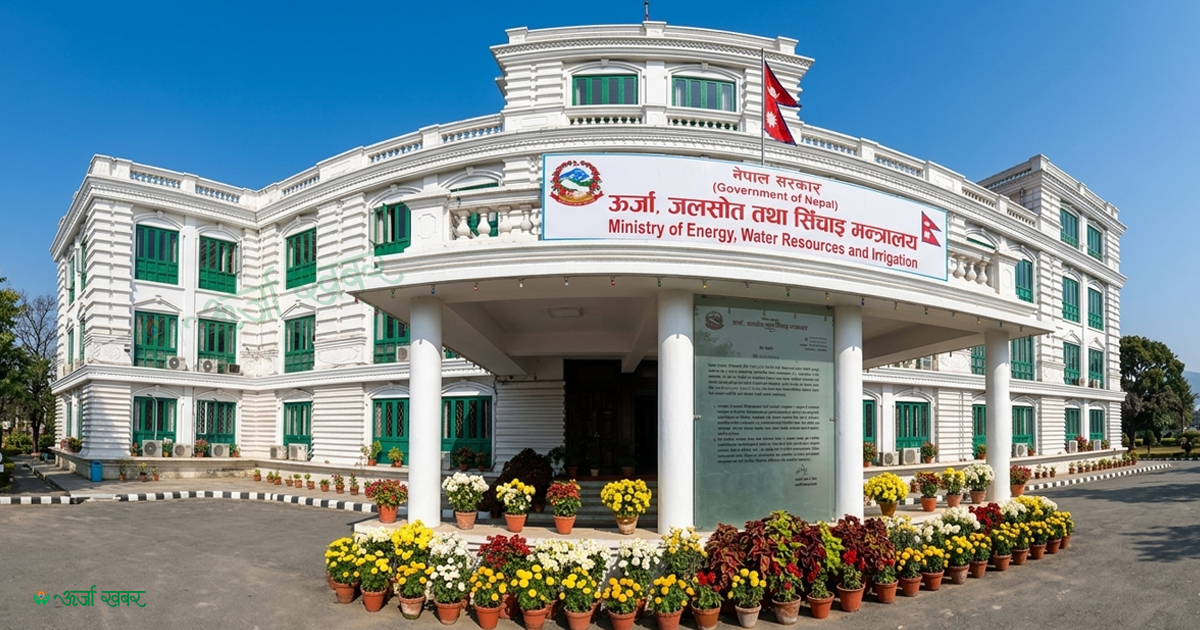
Kathmandu: Nepal’s economic outlook has weakened following the Bhotekoshi–Trishuli floods, declining capital expenditure and falling foreign aid commitments, according to the Ministry of Finance.
The government is now unlikely to achieve its ambitious target of 7 percent economic growth in the current fiscal year. In its latest Economic Bulletin published on Wednesday, the ministry projects economic growth of 3.5 to 4 percent, citing the impact of natural disasters, infrastructure damage, revenue pressures and rising reconstruction costs. The World Bank has projected Nepal’s economic growth at 3.7 percent, while the Asian Development Bank has estimated it at 4.1 percent.

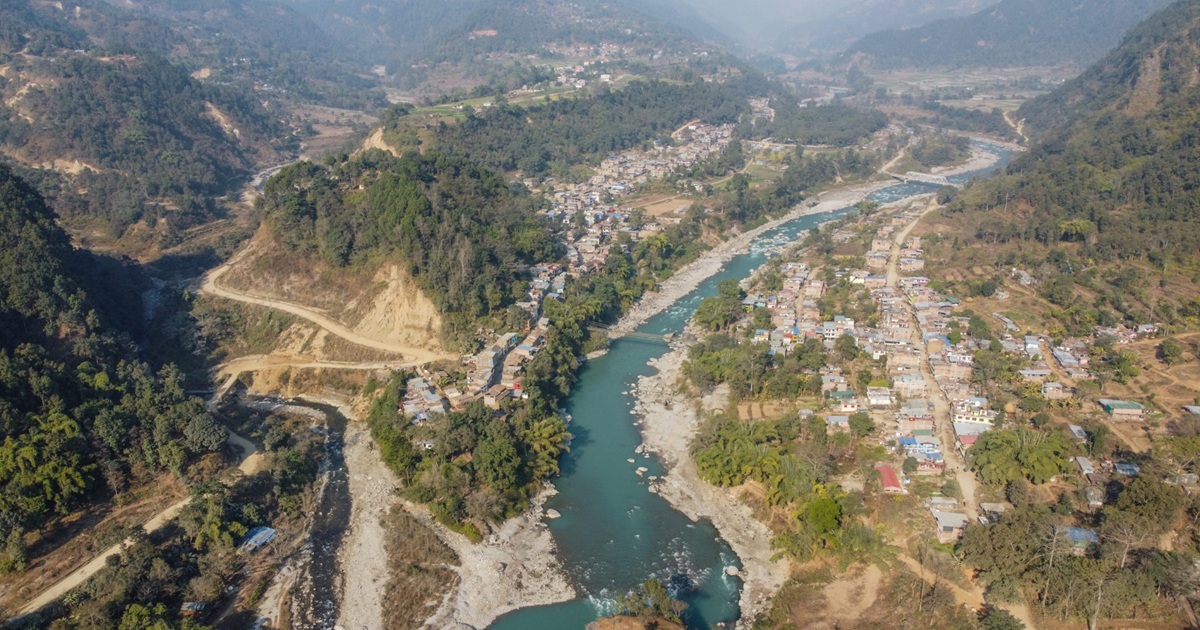
The floods in the Bhote Koshi River on Bhadra 10 disrupted electricity generation of 431 megawatts, equivalent to around 10 percent of the country’s total installed capacity. Damage to tourism and infrastructure has further increased economic challenges.
The estimated reconstruction requirement has reached Rs 723 billion, equivalent to approximately 11 percent of gross domestic product (GDP). The need to allocate more than one-third of the national budget to relief and reconstruction is expected to put additional pressure on public finances.
Revenue collection is also likely to suffer due to the closure of the Rasuwa and Tatopani border crossings and the implementation of tax exemptions.
The ministry’s bulletin highlights persistent weaknesses in government development spending. Capital expenditure stood at Rs 191.88 billion in the previous fiscal year, the lowest level in 14 years, according to the report.
Despite the need for reconstruction and infrastructure development, government spending continues to be concentrated towards the end of the fiscal year, a practice seen almost every year. The concentration of spending in the final months raises concerns about the quality, effectiveness and timely implementation of development projects.
Nepal also experienced a substantial decline in foreign aid commitments. Such commitments fell by around 41 percent, from Rs 273.05 billion in fiscal year 2082/83 to Rs 161.46 billion in the subsequent reporting period, according to the bulletin.
Multilateral development partners accounted for 63.6 percent of the commitments, while bilateral partners contributed 36.4 percent. Actual foreign assistance remained below expectations as well. The government received Rs 32.84 billion in grants and Rs 116.44 billion in loans, representing a 4.7 percent decline compared with the previous fiscal year.
Likewise, Nepal’s outstanding public debt reached Rs 2.981 trillion by the end of the last fiscal year, an increase of 11.51 percent from Rs 2.674 trillion a year earlier.
Public debt has risen amid post-earthquake reconstruction, federalism implementation and the response to the COVID-19 pandemic. It has increased from 24.07 percent of GDP in fiscal year 2025/26 to 45.18 percent.
The ministry attributes 55.51 percent of the total increase in public debt to exchange-rate losses, particularly those associated with movements in the US dollar’s value.
Despite these pressures, record-high remittance inflows and foreign exchange reserves have provided some support to Nepal’s external sector, offering a buffer against mounting economic risks.