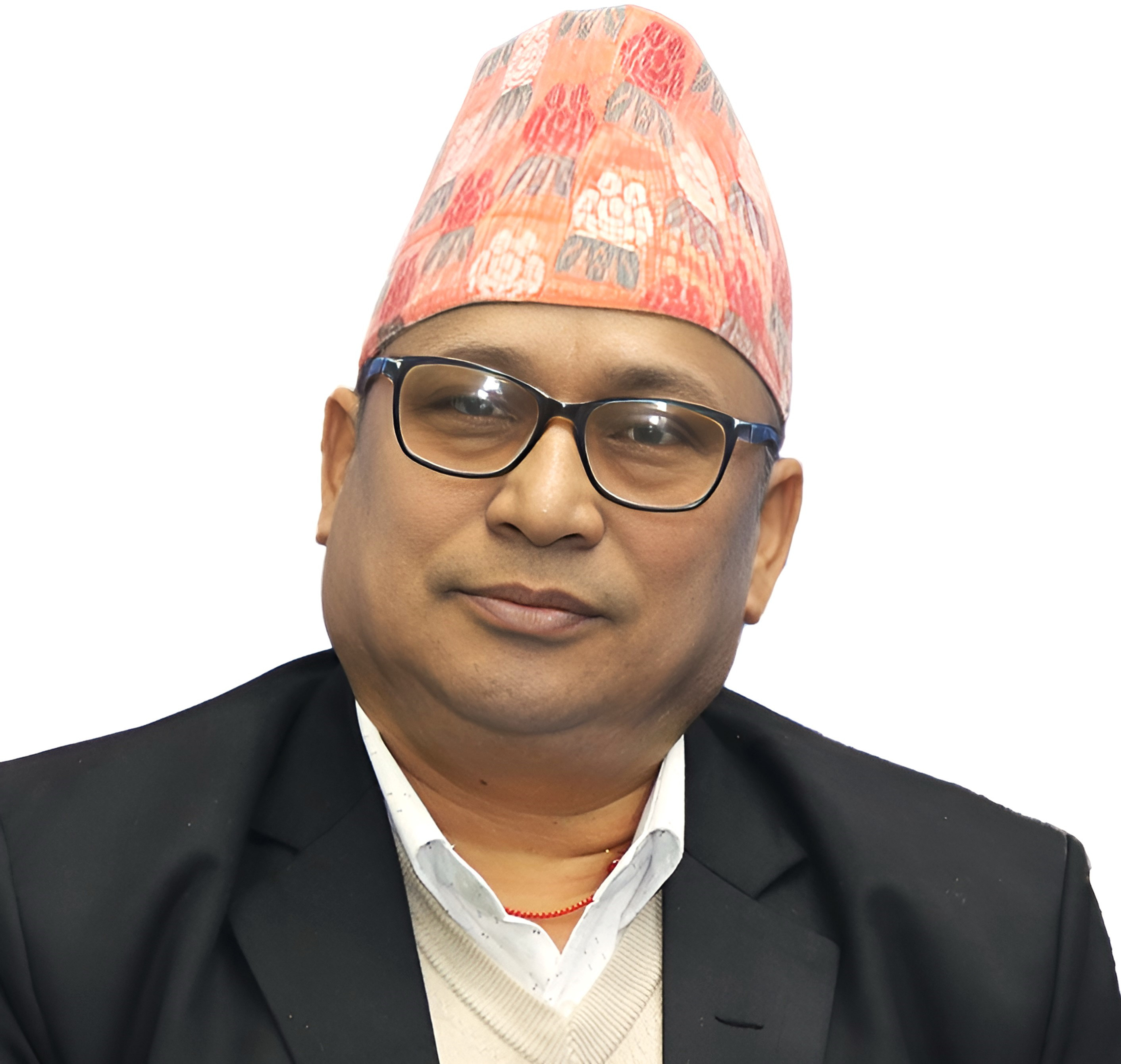
 Er. Bakhat Bahadur Shahi
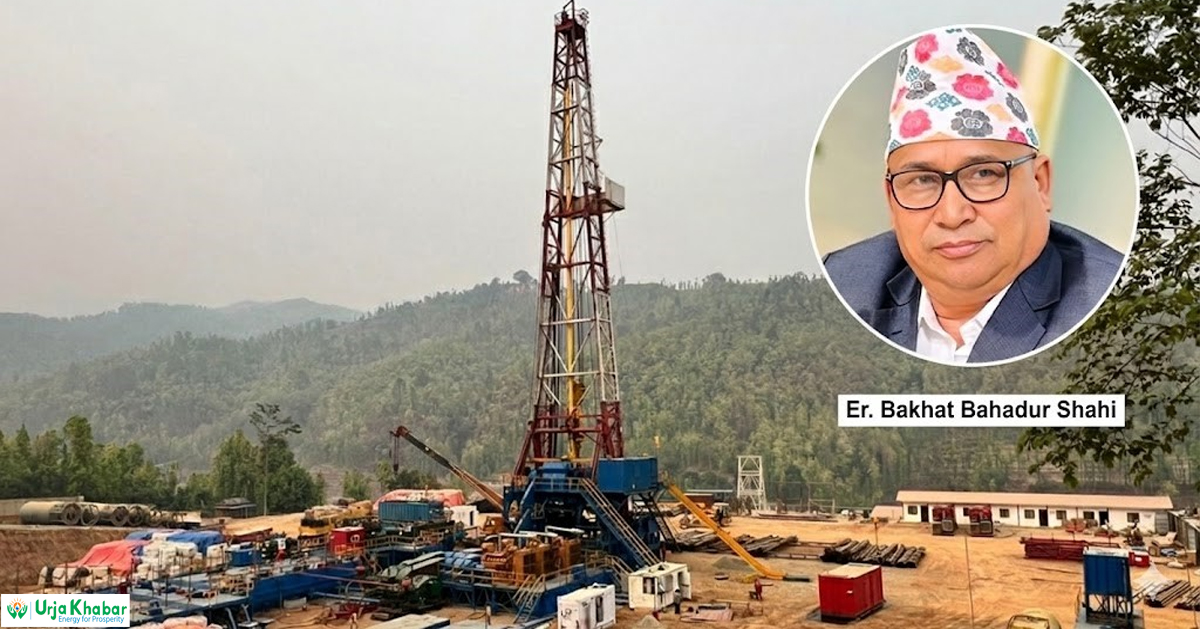
The Jaljale Methane Gas Project is located in the Jaljale area of Dailekh district in Karnali Province, Nepal. This site has gained national importance following the discovery of potential domestic methane gas resources identified through geological exploration and deep drilling activities conducted under Nepal–China technical cooperation. The project was initiated after a government-to-government agreement signed between Nepal and China in March 2016 for cooperation in petroleum and natural gas exploration. After this agreement, Nepal undertook systematic geological studies in selected sedimentary basins, including Dailekh, to evaluate the country’s subsurface energy potential.
In July 2019, detailed exploration activities formally began in the Jaljale area with technical support from the China Geological Survey. The drilling work was carried out by the Xibu Drilling Engineering Company in close coordination with Nepal’s Department of Mines and Geology.

Based on an integrated geological assessment conducted over approximately 16 months, strong indications of methane gas accumulation have been found within the Jaljale structure of the Dailekh sedimentary basin, with reserves estimated in the range of 80 to 112 billion cubic meters (BCM). However, this estimate remains preliminary and requires internationally recognized certification and further validation before any definitive conclusions can be drawn.
The estimated cost of the initial exploration phase is around NPR 2.4 billion, implemented through cooperative technical arrangements between Nepal and China. In November 2025, the Chinese technical team submitted a preliminary report to the Government of Nepal through the Department of Mines and Geology. The report was reviewed and returned with technical comments; however, the final revised version has not yet been formally submitted by the Government of China.
Currently, Nepal spends around NPR 320 billion every year on imported petroleum products, which is one of the major causes of the country's trade deficit and foreign currency outflow. This heavy dependence on imported fuel exposes the country to risks such as supply disruptions, price fluctuations, and geopolitical uncertainty. If methane production from Jaljale is confirmed and developed commercially, Nepal could significantly reduce its dependency on imported fossil fuels. Even partial replacement of diesel, petrol, and LPG with domestic methane could save tens of billions of rupees annually and improve the country’s overall economic stability.
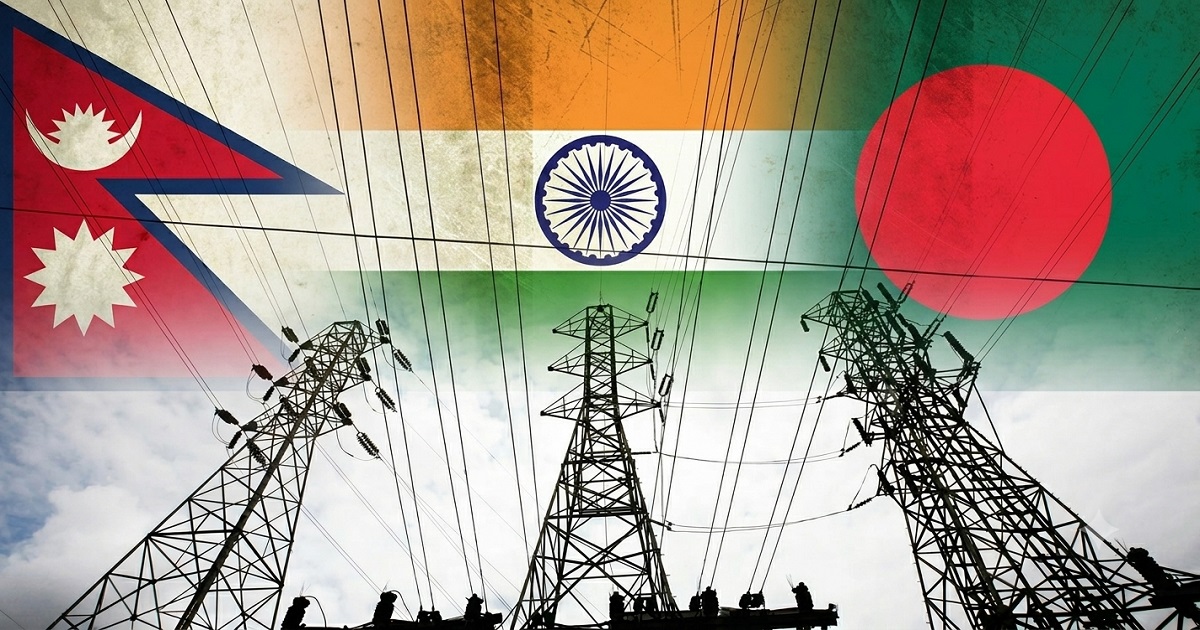
This project is closely linked with Nepal’s hydropower system. Although Nepal has significant hydropower potential, the sector faces challenges such as seasonal variation in river flow, limitations in transmission infrastructure, and fluctuations in peak electricity demand. In this context, methane gas can play a complementary and transitional role by balancing the energy system and ensuring a more reliable electricity supply, particularly during dry seasons and peak demand.
Beyond the power sector, methane also holds significant important in global hydrogen production, where it is widely used as a key feedstock in established industrial processes. This creates a future opportunity for Nepal to utilize domestic methane resources to support hydrogen production systems, contributing to a more diversified and sustainable long-term energy transition.
In addition, methane gas can be utilized across multiple sectors, including chemical and fertilizer production, transportation, industrial manufacturing, cement and brick industries, agro-processing, hotels, restaurants, household cooking, and commercial heating applications.
Through its wide use as a cleaner and lower-carbon energy source, this project can make an important contribution to Nepal’s progress toward achieving net-zero emissions by 2045 by reducing dependency on high-emission fossil fuels across key sectors.
Considering its multiple uses and broad economic contributions, the Government of Nepal should adopt a fast-track implementation approach by prioritizing this project within the national energy policy and including it in the Fiscal Year 2083/84 planning and budget framework. It should be treated as a strategic national energy security initiative rather than a routine exploration project.
Considering the strategic importance of the Jaljale Methane Gas Project, the Government of Nepal should establish a clear, time-bound framework to move the project from report takeover to full-scale production. Delays in decision-making and report finalization have already caused significant opportunity losses for Nepal, as the country continues to spend large amounts of foreign currency on imported fuels while its own potential energy resources remain unutilized. Therefore, strong political commitment, effective institutional coordination, and result-oriented execution are urgently required to move the Jaljale Methane Gas Project from the exploration stage to full development. Timely action is essential to ensure that this project contributes meaningfully to Nepal’s long-term energy security and economic transformation.
Mr. Shahi is a former Chief Executive Officer (CEO) of Vidhyut Utpadan Company Limited.